Mount Kilimanjaro climbing
Preparing to Climb Mount Kilimanjaro
Reaching the summit of Mount Kilimanjaro is a dream adventure for many travelers around the world. Standing at Uhuru Peak (5,895 meters above sea level) is an unforgettable achievement and one of the most rewarding experiences you can have in Africa.
However, climbing Africa’s highest mountain requires proper preparation. While Kilimanjaro does not require technical mountaineering skills, reaching the summit still demands good fitness, the right mindset, and careful planning.
At Tanzania Kili Climb Experts, we help climbers prepare thoroughly so they can enjoy the journey and maximize their chances of reaching the top.
How to Prepare to Climb Mount Kilimanjaro
Preparing for Kilimanjaro involves more than simply booking a trek. Climbers should start preparing several months in advance to build endurance and learn how to manage the high-altitude environment.
Successful preparation focuses on:
-
Improving physical fitness and stamina
-
Building mental resilience
-
Choosing the right climbing route
-
Allowing enough time for acclimatization
-
Packing the correct gear and equipment
When these factors are carefully planned, the Kilimanjaro climb becomes a much safer and more enjoyable adventure.
Best Time to Climb Mount Kilimanjaro
Because Kilimanjaro is located near the equator, the mountain can technically be climbed throughout the year. However, the best conditions occur during the dry seasons, when the trails are safer and the skies are clearer.
The most recommended months are:
-
January to March – cooler temperatures and fewer crowds
-
June to October – dry weather and excellent visibility
The rainy seasons (April–May and November) can make the trails slippery and more challenging, especially for beginners. With an experienced guide team like Tanzania Kili Climb Experts, climbing during these months is still possible, but it requires extra preparation.
How Long Does It Take to Climb Kilimanjaro?
The duration of your climb plays a major role in summit success. While some itineraries are shorter, longer climbs allow the body to adjust better to altitude.
Recommended durations include:
-
7 days – suitable for experienced trekkers
-
8–9 days – ideal for beginners and better acclimatization
Longer itineraries increase summit success rates because climbers gain extra time to adapt to the altitude.
Popular routes and typical durations:
-
Lemosho Route – 8 to 9 days
-
Northern Circuit Route – 9 days
-
Machame Route – 7 days
-
Marangu Route – 6 to 7 days
-
Rongai Route – 7 days
Choosing the Best Kilimanjaro Route
Each Kilimanjaro route offers a different experience. Some routes are scenic and gradual, while others are faster but more physically demanding.
For example:
-
Machame Route – very scenic with a high summit success rate
-
Lemosho Route – excellent for acclimatization and beautiful landscapes
-
Northern Circuit – longest route with one of the highest success rates
-
Marangu Route – known as the “Coca-Cola route” with hut accommodations
-
Rongai Route – the only route approaching from the north side
Choosing the right route depends on your fitness level, available time, and preferred trekking style.
Preparing for High Altitude
Altitude is the biggest challenge when climbing Kilimanjaro. The body must gradually adapt to lower oxygen levels as you ascend.
To reduce the risk of altitude sickness:
-
Choose longer itineraries with good acclimatization profiles
-
Follow the principle of “climb high, sleep low”
-
Walk slowly and conserve energy
-
Drink at least 3–4 liters of water per day
-
Avoid alcohol and smoking during the climb
Some climbers also choose to acclimatize beforehand by trekking Mount Meru, which helps prepare the body for high altitude.
Training for Kilimanjaro
Although technical climbing skills are not required, Kilimanjaro still demands good cardiovascular fitness and endurance.
A recommended training plan should include:
-
Long-distance hiking
-
Walking uphill and downhill
-
Running or cycling
-
Strength training for legs and core
-
Breathing exercises
Training should ideally begin 8–12 weeks before the climb.
Hydration on Kilimanjaro
Proper hydration is critical during the climb. Dehydration can worsen the symptoms of altitude sickness.
Tips for staying hydrated:
-
Drink 3–4 liters of water daily
-
Monitor urine color (clear means well hydrated)
-
Use water purification tablets if needed
-
Avoid excessive caffeine and alcohol
Balanced hydration helps your body adapt to the mountain environment.
Toilet Facilities on Kilimanjaro
Most Kilimanjaro campsites have basic long-drop toilets. While they are functional, they can sometimes be uncomfortable.
Many operators, including Tanzania Kili Climb Experts, offer private portable toilets for additional comfort during the trek. These are carried by porters and set up at each campsite.
Essential Kilimanjaro Packing List
Packing the right gear is key to a successful climb. Weather conditions on Kilimanjaro change quickly, so climbers must prepare for sun, wind, cold, and rain.
Clothing
-
Base layers (top and bottom)
-
Trekking shirts and hiking trousers
-
Fleece jacket
-
Insulated down jacket
-
Waterproof shell jacket and rain gear
Headgear
-
Sun hat
-
Warm hat or headband
-
Sunglasses
-
Headlamp
Hands & Trekking Gear
-
Inner gloves
-
Insulated outer gloves
-
Adjustable trekking poles
Footwear
-
Waterproof hiking boots
-
Warm trekking socks
Bags
-
80–90L duffel bag (carried by porters)
-
20–30L daypack
Sleeping Gear
-
Four-season sleeping bag
-
Sleeping mat
-
Inflatable pillow
Accessories
-
Water bottles or hydration bladder
-
Sunscreen
-
Insect repellent
-
Personal medications
-
Wet wipes and toiletries
Useful Electronics for Kilimanjaro
You only need a few essential gadgets while climbing:
-
Smartphone – for photos, navigation, and communication
-
Camera – to capture the incredible landscapes
-
Power bank – to recharge devices
-
Solar charger – useful due to strong sunlight on the mountain
-
Headphones – optional for relaxing during rest time
Keep electronics in your daypack, as you will carry this bag yourself throughout the trek.
Start Your Kilimanjaro Journey with Tanzania Kili Climb Experts
Climbing Mount Kilimanjaro is a life-changing adventure. With the right preparation, expert guides, and a well-planned itinerary, reaching the summit is an achievable goal.
At Tanzania Kili Climb Experts, our experienced mountain guides, professional porters, and carefully designed itineraries ensure that every climber has the best chance of safely reaching Uhuru Peak.
Preparing to Climb Kilimanjaro – FAQs
How much does it cost to climb Kilimanjaro?
The cost varies depending on the route, number of days, and level of service. Most guided climbs range between $2,000 and $5,000 per person.
How long does it take to climb Kilimanjaro?
Most climbs take 7 to 9 days, depending on the route and acclimatization schedule.
How fit do I need to be to climb Kilimanjaro?
You should have good general fitness and be comfortable hiking for 6–8 hours per day.
How can I book a Kilimanjaro climb?
You can book directly with Tanzania Kili Climb Experts by contacting our team and choosing your preferred route and travel dates.
A Local Tanzania
Climbing Expert
What To Plan A Kilimanjaro Adventure?
Contact Us. We are always here to help you
Climb Kilimanjaro on expertly guided routes. 97.6% summit success rate
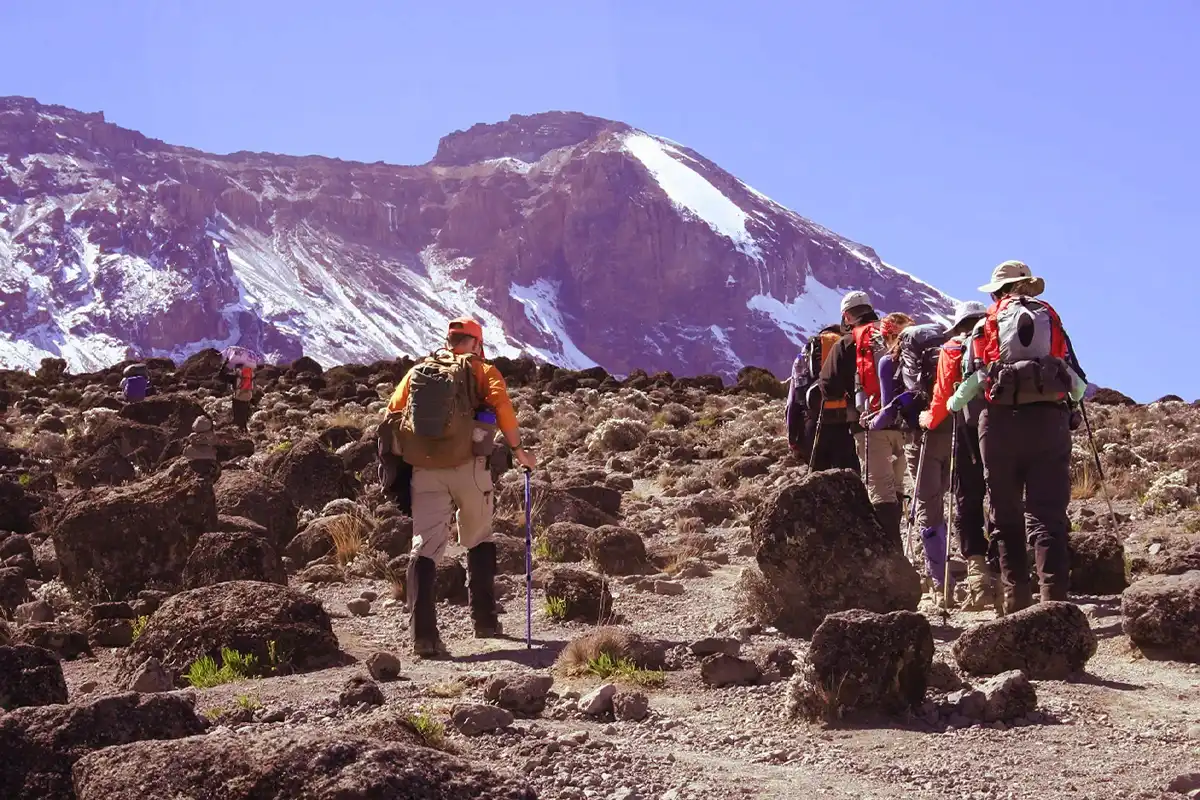
- 5 Days
5 Days Marangu Route
From
$1,500
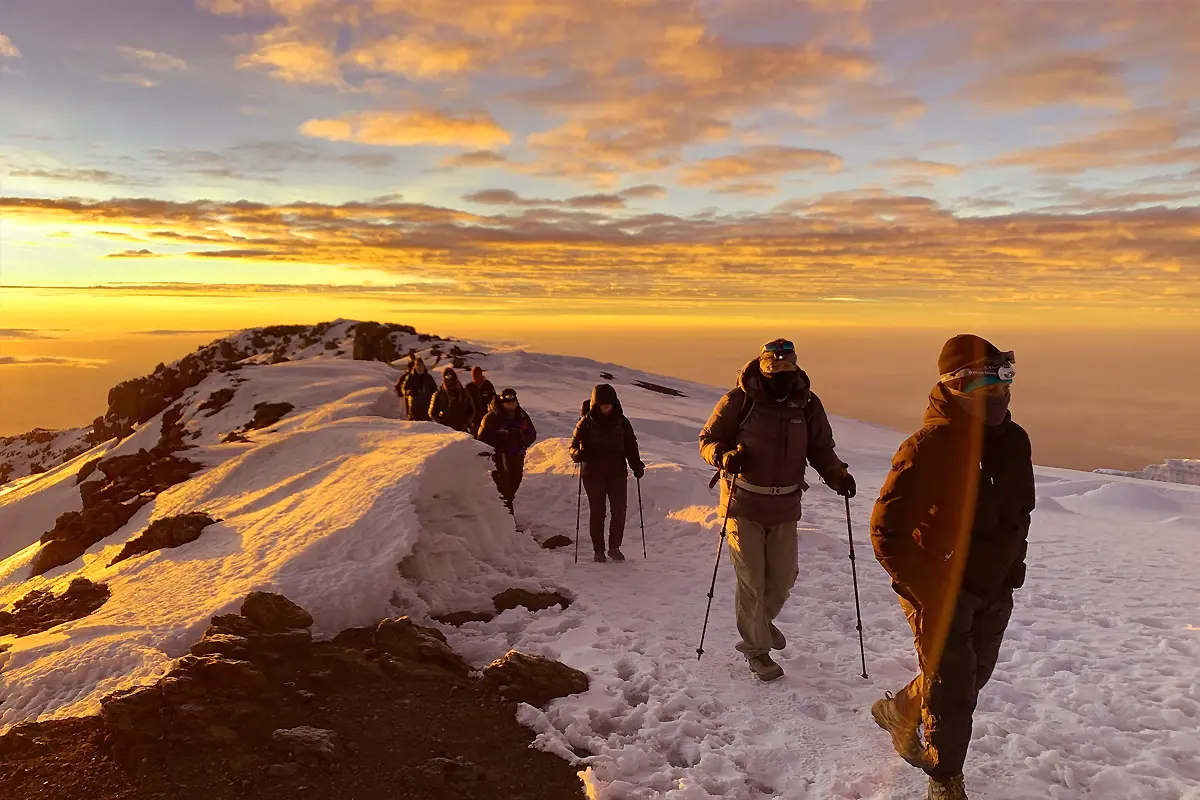
- 7 Days
7 Days Machame Route
From
$1,850
- 8 Days
8 Days Lemosho Route
From
$2,050
- 9 Days
9 Days Northern Circuit Route
From
$2,350
- 12 Days
8 Days Lemosho Route
From
$2,450