Mount Kilimanjaro climbing
Kilimanjaro Altitude Sickness
Kilimanjaro Altitude Sickness
Reaching the summit of Mount Kilimanjaro is not just about fitness—it’s about how well your body adapts to altitude. At Tanzania Kili Climb Experts, we focus on helping you prevent, recognize, and manage altitude sickness so you can climb safely and successfully.
Altitude sickness is the number one reason climbers fail to reach the summit, but with the right approach, it is highly manageable.
What is Altitude Sickness?
Altitude sickness occurs when your body struggles to adjust to lower oxygen levels above 2,500 meters.
Key Facts
| Factor | Details |
|---|---|
| Starting Altitude Risk | Above 2,500m |
| Main Cause | Rapid ascent without acclimatization |
| Common Type | Acute Mountain Sickness (AMS) |
| Severity | Mild to life-threatening |
Most cases are mild, but if ignored, it can develop into serious conditions.
Common Symptoms of Altitude Sickness
Symptoms can appear within hours of gaining elevation and vary from person to person.
Typical Symptoms
| Symptom | Severity |
|---|---|
| Headache | Mild |
| Nausea | Mild to Moderate |
| Fatigue | Mild |
| Loss of Appetite | Mild |
| Shortness of Breath | Moderate |
| Rapid Pulse | Moderate |
| Confusion / Weakness | Severe |
If symptoms worsen, immediate action is required.
The Three Golden Rules
At Tanzania Kili Climb Experts, we emphasize these essential rules for every climber:
Golden Rules of Altitude Safety
| Rule | Meaning |
|---|---|
| Rule 1 | If you feel unwell, assume it’s altitude sickness |
| Rule 2 | Do not ascend with symptoms |
| Rule 3 | If symptoms worsen, descend immediately |
These rules save lives on the mountain.
How to Prevent Altitude Sickness
Prevention is the most effective strategy for a safe Kilimanjaro climb.
Core Prevention Strategies
| Strategy | Why It Works |
|---|---|
| Slow Ascent | Allows your body to adapt gradually |
| Proper Hydration | Supports oxygen circulation |
| Good Nutrition | Maintains energy levels |
| Rest & Recovery | Helps acclimatization |
| Health Monitoring | Detects early warning signs |
Prepare Before Your Climb
Preparation begins long before you arrive in Tanzania.
Recommended Preparation Plan
| Activity | Benefit |
|---|---|
| Cardio Training | Improves endurance |
| Hiking Practice | Prepares your body for trekking |
| Breathing Exercises | Supports oxygen efficiency |
| Pre-Acclimatization | Helps adjust to altitude |
Climbing a smaller mountain like Mount Meru before Kilimanjaro can improve your chances of success.
Choose the Right Itinerary
Short itineraries are one of the biggest causes of altitude sickness.
Itinerary Comparison
| Duration | Acclimatization Level | Success Rate |
|---|---|---|
| 5–6 Days | Low | Lower |
| 7–8 Days | Good | High |
| 9+ Days | Excellent | Very High |
At Tanzania Kili Climb Experts, we recommend longer routes to maximize safety and summit success.
Stay Hydrated
Hydration is critical at high altitude.
Hydration Guidelines
| Indicator | Meaning |
|---|---|
| Clear Urine | Well hydrated |
| Dark Urine | Dehydrated |
| Daily Intake | 3–5 liters of water |
Avoid alcohol and limit caffeine during your climb.
Walk Slowly (“Pole Pole”)
On Kilimanjaro, slow walking is not weakness—it’s strategy.
Why Slow Pace Matters
| Benefit | Explanation |
|---|---|
| Better Oxygen Use | Reduces strain on your body |
| Improved Acclimatization | Gives your body time to adapt |
| Less Fatigue | Conserves energy |
If you can talk comfortably while walking, you’re at the right pace.
Climb High, Sleep Low
This is one of the most effective acclimatization techniques.
How It Works
| Action | Benefit |
|---|---|
| Climb Higher During Day | Stimulates adaptation |
| Sleep at Lower Altitude | Allows recovery |
This method helps your body adjust more efficiently to altitude changes.
Using Diamox (Optional Support)
Diamox (Acetazolamide) is a medication that can help with acclimatization.
Diamox Overview
| Feature | Details |
|---|---|
| Purpose | Prevent and reduce AMS symptoms |
| Usage | Prescription required |
| Effect | Improves breathing and oxygen intake |
| Recommendation | Consult your doctor |
It is optional and should never replace proper acclimatization practices.
When Descent is Necessary
Descending is the most effective treatment for altitude sickness.
Emergency Response Guide
| Condition | Action |
|---|---|
| Mild Symptoms | Monitor and rest |
| Moderate Symptoms | Stop ascent |
| Severe Symptoms | Immediate descent |
Our guides are trained to make quick, life-saving decisions.
Why Choose Tanzania Kili Climb Experts?
We prioritize your safety with:
-
Experienced, certified mountain guides
-
Daily health checks and monitoring
-
Well-planned acclimatization itineraries
-
Emergency oxygen and rescue coordination
-
Personalized care for every climber
Kilimanjaro Altitude Sickness FAQs
What is altitude sickness?
It is the body’s reaction to reduced oxygen levels at high altitude.
Can altitude sickness be avoided?
It cannot be completely avoided, but it can be minimized with proper precautions.
What is the best way to prevent AMS?
Slow ascent, hydration, and proper acclimatization.
What are severe symptoms?
Confusion, inability to walk, severe breathing difficulty—these require immediate descent.
How is altitude sickness treated?
Rest, oxygen, medication, and most importantly—descending to lower altitude.
Climb Smart, Summit Strong
Altitude sickness is the biggest challenge on Kilimanjaro—but it is manageable with the right knowledge and support.
With Tanzania Kili Climb Experts, you gain:
-
Expert guidance
-
Proven safety systems
-
Higher summit success rates
Your journey to the Roof of Africa starts with safety.
Talk to Our
Climbing Expert
What To Plan A Kilimanjaro Adventure?
Contact Us. We are always here to help you
Climb Kilimanjaro on expertly guided routes. 97.6% summit success rate
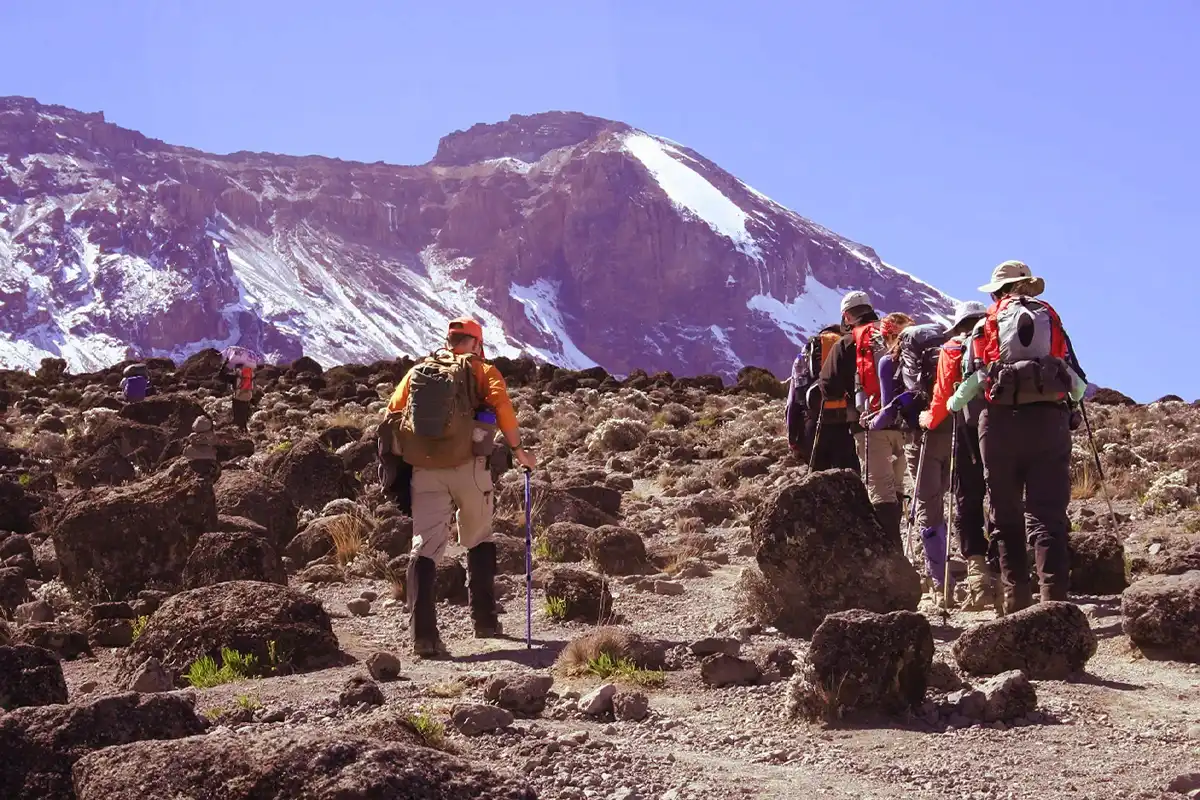
- 5 Days
5 Days Marangu Route
From
$1,500
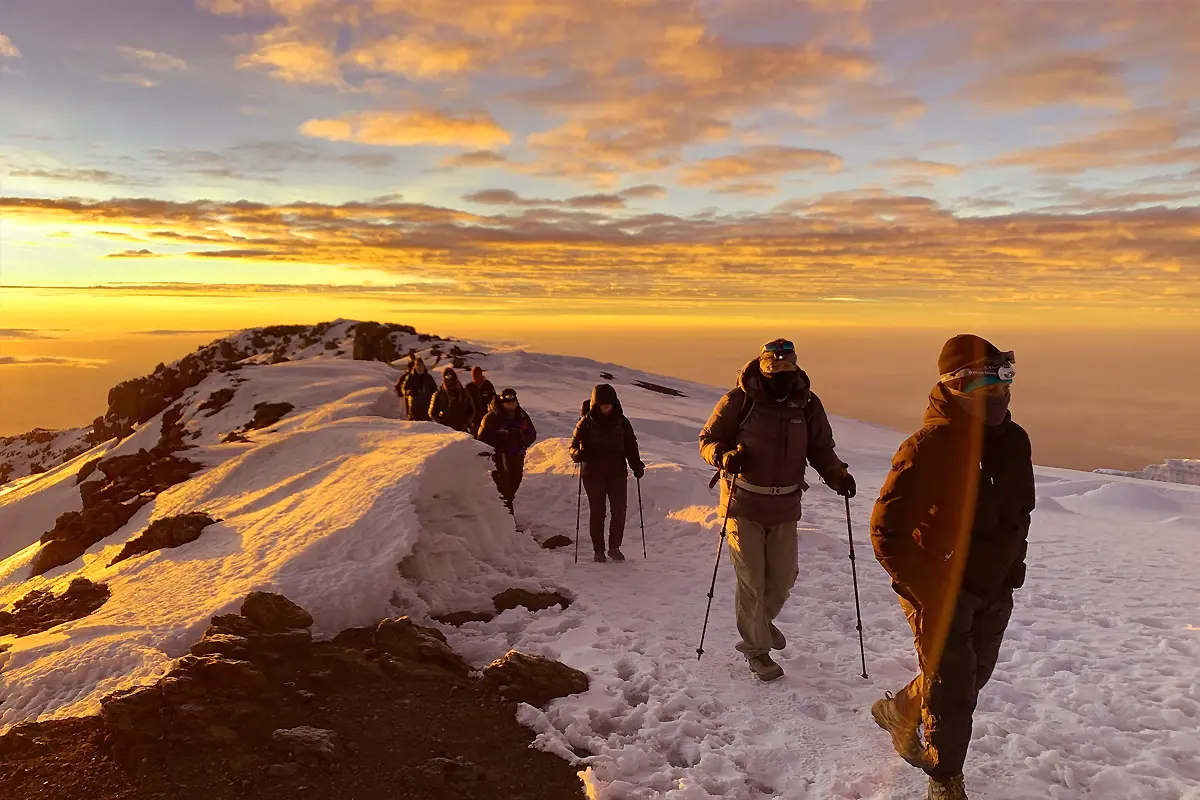
- 7 Days
7 Days Machame Route
From
$1,850
- 8 Days
8 Days Lemosho Route
From
$2,050
- 9 Days
9 Days Northern Circuit Route
From
$2,350
- 12 Days
8 Days Lemosho Route
From
$2,450