Mount Kilimanjaro climbing
Mount Kilimanjaro Acclimatization Guide
Kilimanjaro Acclimatization Guide
Take the time to acclimatize properly for a safer, more enjoyable journey to the summit of Mount Kilimanjaro.
Climbing Mount Kilimanjaro is a remarkable adventure, but success on the mountain is not just about fitness—it is about how well your body adapts to altitude. Proper acclimatization is one of the most important factors determining whether climbers reach the summit safely.
At Tanzania Kili Climb Experts, we always recommend longer itineraries to give your body enough time to adjust to the changing altitude. Spending additional days on the mountain may slightly increase the cost of your climb, but it dramatically improves your chances of reaching the summit and descending safely.
Most experienced operators recommend 7–8 days or more for the best acclimatization profile. The slower ascent allows your body to gradually adjust to decreasing oxygen levels while reducing the risk of altitude-related illnesses.
What Is Kilimanjaro Acclimatization?
Acclimatization is the process through which your body adapts to the reduced oxygen levels found at higher elevations.
As you climb Mount Kilimanjaro, the air becomes thinner and contains less oxygen. This means your lungs and muscles must work harder to perform even simple tasks like walking uphill. Without enough time to adjust, your body may struggle with the altitude.
The key to proper acclimatization is ascending gradually, allowing your body time to adapt before moving to higher elevations. Choosing a climbing route with a well-designed acclimatization profile is essential for a successful climb.
Why Acclimatization Is So Important
Proper acclimatization dramatically increases your chances of reaching the summit of Mount Kilimanjaro.
The highest point of the mountain, Uhuru Peak, stands at 5,895 meters (19,341 feet) above sea level. For most climbers arriving from low-altitude regions, this is a massive change in elevation.
Without proper acclimatization, climbers may experience symptoms that can force them to abandon the trek. With the right pace and schedule, however, most people can adapt successfully and enjoy the experience.
Benefits of Proper Acclimatization
-
Higher summit success rates
-
Reduced risk of altitude sickness
-
Improved comfort and energy during the climb
-
Greater safety for the entire group
Risks of Poor Acclimatization
Failure to acclimatize properly can turn an incredible adventure into a serious health risk.
Altitude sickness occurs when the body cannot adjust to lower oxygen levels quickly enough. Symptoms can range from mild discomfort to severe medical emergencies.
Professional mountain guides monitor climbers carefully throughout the trek and perform regular health checks to ensure safety.
Potential Effects of Poor Acclimatization
| Condition | Description | Severity |
|---|---|---|
| Acute Mountain Sickness (AMS) | Headaches, nausea, fatigue, dizziness | Mild to Moderate |
| High Altitude Pulmonary Edema (HAPE) | Fluid buildup in lungs causing breathing problems | Severe |
| High Altitude Cerebral Edema (HACE) | Brain swelling leading to confusion and loss of coordination | Life-threatening |
The safest response to severe symptoms is always descending to a lower altitude immediately.
Essential Acclimatization Guidelines
Following a few simple rules can greatly improve your ability to adapt to altitude during your Kilimanjaro climb.
Climb Slowly
Guides often repeat the Swahili phrase “Pole Pole”, meaning “slowly slowly.” A steady pace helps conserve energy and allows the body to adjust.
Stay Hydrated
Drink 4–5 liters of water daily to help your body function properly at high altitude.
Eat Regular Meals
Even when your appetite decreases, eating enough calories helps your body cope with the physical demands of climbing.
Climb High, Sleep Low
Many Kilimanjaro routes follow the principle of climbing to a higher elevation during the day and descending slightly to sleep at a lower altitude.
Avoid Alcohol and Smoking
These substances can worsen the effects of altitude by reducing oxygen intake and interfering with sleep.
Understanding Altitude Sickness (AMS)
Altitude sickness occurs when your body struggles to adjust to the reduced oxygen levels at higher elevations.
It can affect anyone, regardless of age, gender, or fitness level. Even highly trained athletes can experience altitude symptoms.
Common Symptoms of AMS
| Symptom | Description |
|---|---|
| Headache | One of the earliest and most common symptoms |
| Nausea | Feeling sick or loss of appetite |
| Dizziness | Lightheadedness or balance problems |
| Fatigue | Unusual tiredness even with minimal activity |
| Sleep disturbances | Difficulty sleeping at higher altitudes |
Most mild symptoms improve with rest, hydration, and slower ascent.
Kilimanjaro Altitude Zones
During the climb, trekkers pass through several altitude zones, each affecting the body differently.
| Altitude Zone | Elevation Range | Description |
|---|---|---|
| High Altitude | 2,500 – 3,500 m | Initial changes in oxygen levels begin |
| Very High Altitude | 3,500 – 5,500 m | Increased risk of altitude sickness |
| Extreme Altitude | Above 5,500 m | Oxygen levels are significantly reduced |
The summit of Kilimanjaro falls within the extreme altitude zone, making proper acclimatization essential.
How To Prevent Altitude Sickness on Kilimanjaro
While altitude sickness cannot always be completely prevented, there are many effective ways to reduce the risk.
Practical Prevention Tips
-
Choose a 7–8 day climbing itinerary
-
Maintain a slow and steady pace
-
Drink plenty of water
-
Eat nutritious high-energy meals
-
Listen carefully to your guide’s instructions
-
Consider medications like Diamox after consulting your doctor
The longer routes generally offer better acclimatization and higher summit success rates.
Kilimanjaro Routes and Acclimatization Profiles
Different climbing routes offer different acclimatization advantages.
| Route | Typical Duration | Acclimatization Quality | Difficulty |
|---|---|---|---|
| Lemosho Route | 7–8 Days | Excellent | Moderate |
| Machame Route | 6–7 Days | Very Good | Moderate |
| Rongai Route | 6–7 Days | Good | Moderate |
| Marangu Route | 5–6 Days | Limited | Moderate |
| Northern Circuit | 8–9 Days | Outstanding | Moderate |
Routes with longer durations allow for better altitude adjustment and typically have higher summit success rates.
Recommended Acclimatization Strategy
At Tanzania Kili Climb Experts, our itineraries are designed to maximize acclimatization while keeping the climb enjoyable and safe.
Key elements of our approach include:
-
Gradual elevation gain
-
Scheduled acclimatization hikes
-
Frequent health checks by guides
-
Balanced trekking distances
This method significantly increases the likelihood of reaching the summit while maintaining climber safety.
Kilimanjaro Acclimatization FAQs
What is the best way to avoid altitude sickness on Kilimanjaro?
Climb slowly, choose a longer route, stay hydrated, and follow your guide’s pacing instructions.
Does taking Diamox help during a Kilimanjaro climb?
Many climbers use Diamox to help with acclimatization, but it should only be taken after consulting your doctor.
Why do guides say “Pole Pole” on Kilimanjaro?
“Pole Pole” means “slowly slowly” in Swahili. Moving slowly helps your body adapt to altitude and conserve energy.
How many days are best for acclimatization?
Most experts recommend 7–8 days or longer for the best balance between safety and summit success.
Can very fit people avoid altitude sickness?
No. Altitude sickness can affect anyone regardless of fitness level. Proper acclimatization is still essential.

Talk to Our
Climbing Expert
What To Plan A Kilimanjaro Adventure?
Contact Us. We are always here to help you
Climb Kilimanjaro on expertly guided routes. 97.6% summit success rate
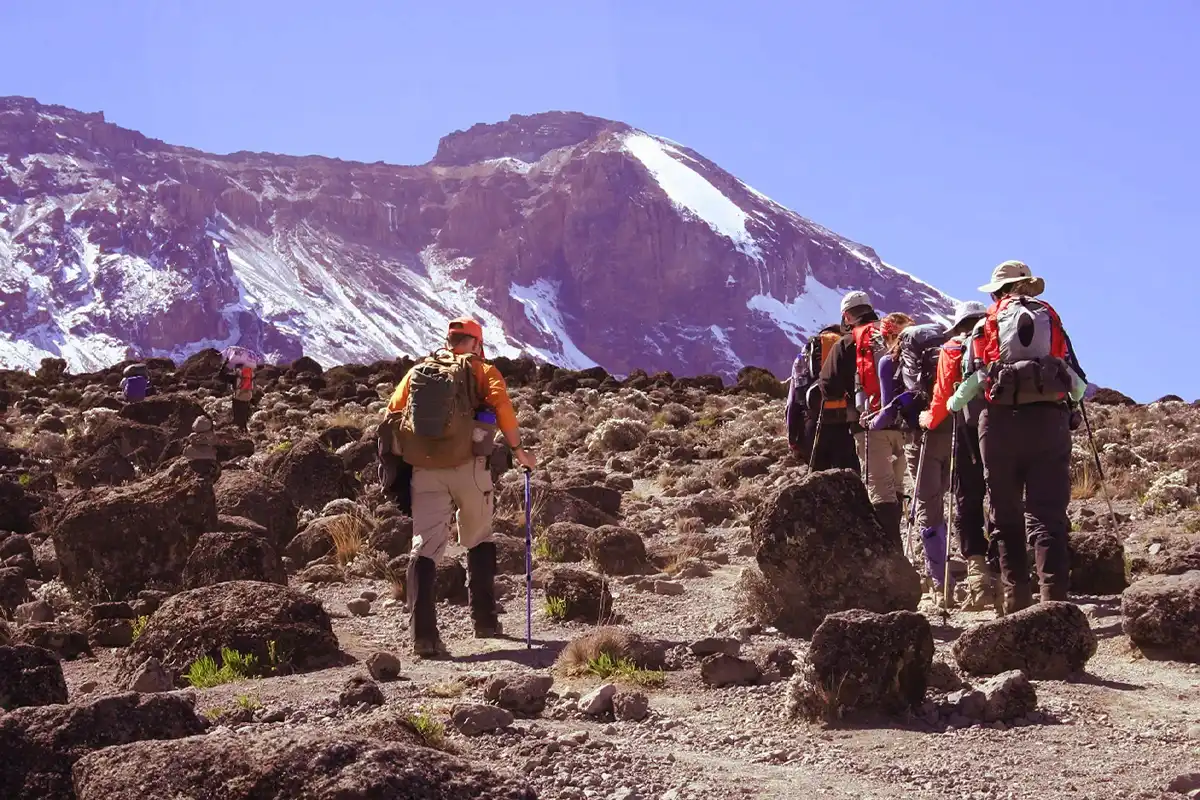
- 5 Days
5 Days Marangu Route
From
$1,500
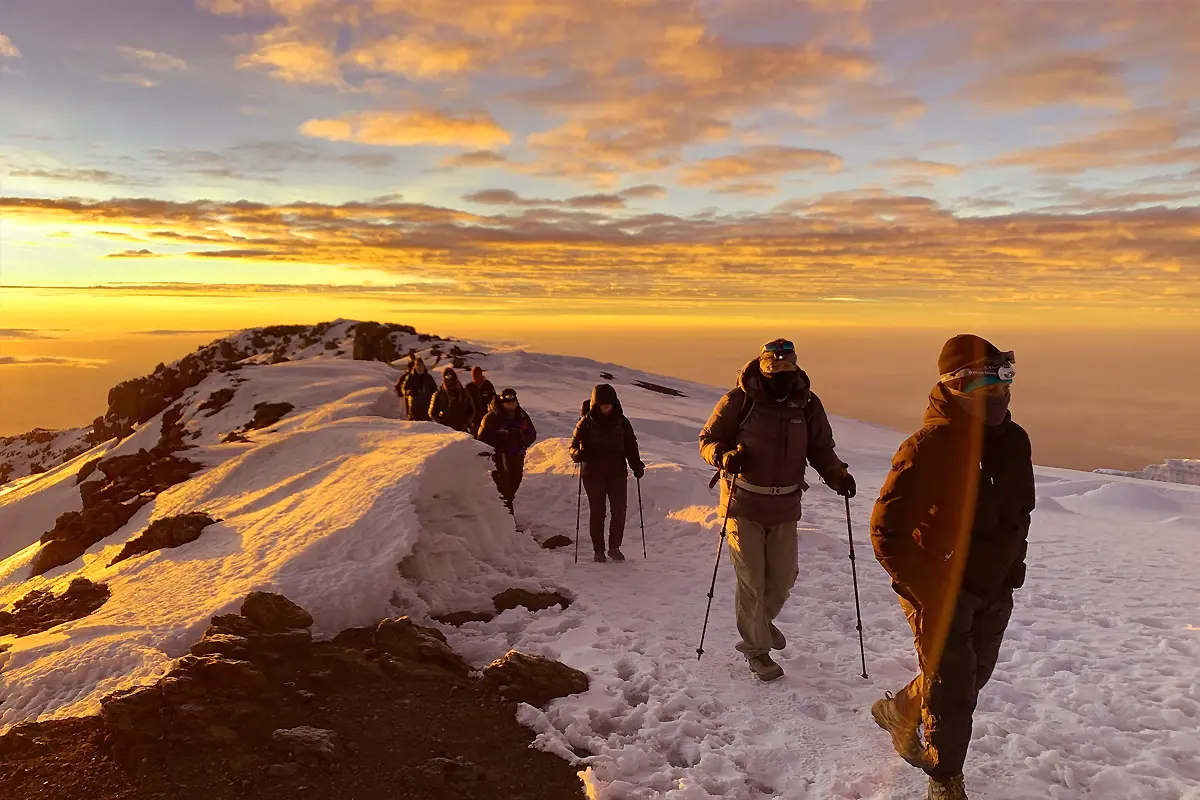
- 7 Days
7 Days Machame Route
From
$1,850
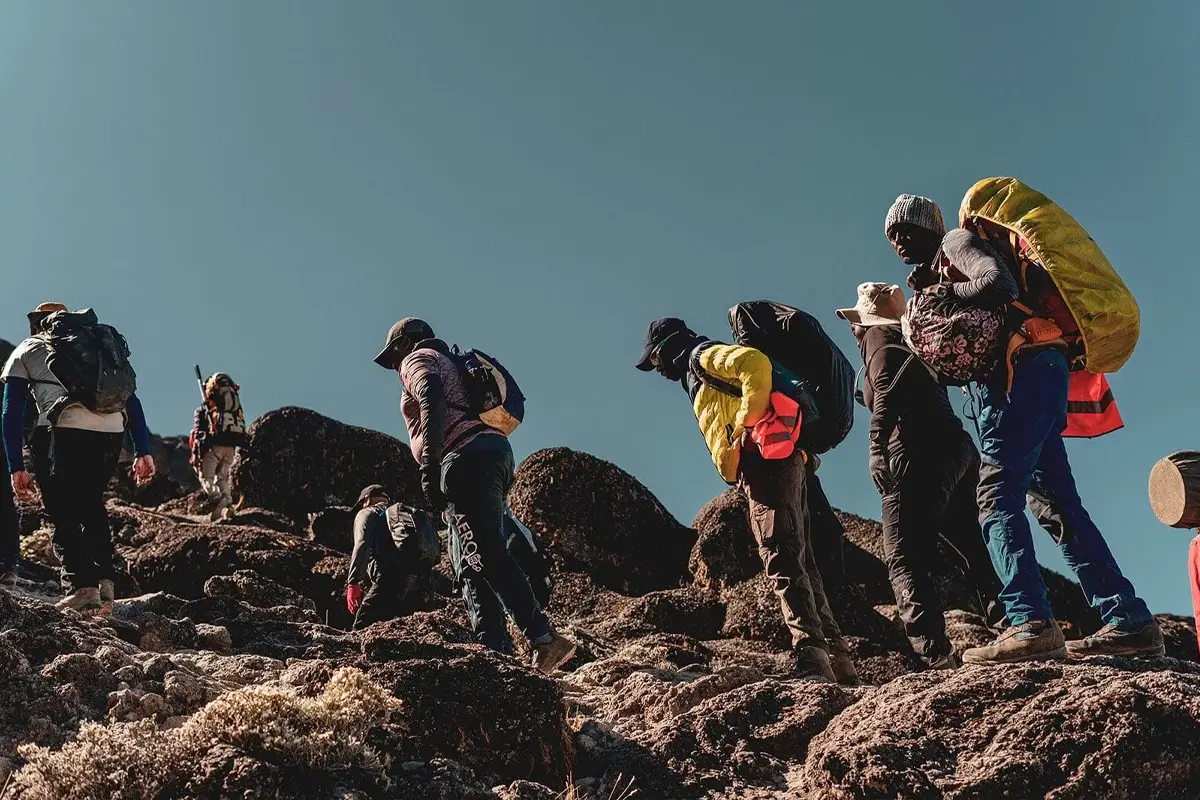
- 8 Days
8 Days Lemosho Route
From
$2,050
- 9 Days
9 Days Northern Circuit Route
From
$2,350
- 12 Days
8 Days Lemosho Route
From
$2,450