Mount Kilimanjaro climbing
Is It Safe to Climb Kilimanjaro?
Is It Safe to Climb Kilimanjaro?
Climbing Mount Kilimanjaro is a life-changing adventure—but like any high-altitude expedition, it comes with real risks. The good news is that with the right preparation and a professional operator like Tanzania Kili Climb Experts, those risks can be significantly reduced.
Your safety should always come first when choosing a Kilimanjaro climbing company. We believe in being transparent about the challenges while showing you exactly how we keep you safe every step of the way.
Understanding the Risks on Kilimanjaro
Mount Kilimanjaro is the highest mountain in Africa, reaching 5,895 meters (19,341 feet). At this altitude, the environment becomes extreme and unpredictable.
Key Risks to Be Aware Of
| Risk | Description |
|---|---|
| High Altitude | Reduced oxygen levels affect breathing and performance |
| Altitude Sickness | Common condition caused by rapid ascent |
| Weather Conditions | Cold temperatures, wind, and sudden changes |
| Physical Fatigue | Long trekking days at high elevation |
| Remote Location | Limited access to immediate medical facilities |
While these risks are real, thousands of climbers safely reach the summit every year with proper support and preparation.
Our Safety Approach
At Tanzania Kili Climb Experts, we take a proactive and professional approach to safety. Our systems are designed based on real mountain experience, medical guidance, and international best practices.
What Makes Our Safety System Strong
-
Certified and experienced mountain guides
-
Structured acclimatization itineraries
-
Daily health monitoring
-
Emergency oxygen on all climbs
-
Clear evacuation and rescue procedures
We don’t just guide—you are placing your safety in our hands, and we take that responsibility seriously.
Acute Mountain Sickness (AMS)
Altitude sickness is the most common challenge climbers face on Kilimanjaro.
AMS occurs when your body does not adapt quickly enough to reduced oxygen levels at higher elevations. It can affect anyone—regardless of fitness level.
Common Symptoms of AMS
| Symptom | Description |
|---|---|
| Headache | Most common early sign |
| Nausea | Feeling sick or loss of appetite |
| Dizziness | Lightheadedness or imbalance |
| Fatigue | Unusual tiredness |
| Shortness of Breath | Difficulty breathing during activity |
| Sleep Issues | Poor or disturbed sleep |
Mild symptoms are normal and manageable, but severe symptoms require immediate attention and descent.
Daily Health Monitoring
One of the most important safety measures we use is twice-daily health checks.
Our guides monitor your condition throughout the climb to ensure you are adapting well to the altitude.
What We Check Daily
| Health Indicator | Purpose |
|---|---|
| Oxygen Saturation | Measures how well your body is absorbing oxygen |
| Heart Rate | Indicates physical stress and adaptation |
| Symptom Assessment | Identifies early signs of AMS |
We also use internationally recognized assessment methods to track your condition and make informed decisions about your safety.
Diamox (Altitude Medication)
Diamox (Acetazolamide) is commonly used to help prevent and reduce the effects of altitude sickness.
Key Facts About Diamox
| Feature | Details |
|---|---|
| Purpose | Prevents and treats altitude sickness |
| How It Works | Improves breathing and oxygen absorption |
| Usage | Must be prescribed by a doctor |
| Effectiveness | Clinically proven for AMS prevention |
It does not “hide” symptoms—it actually helps your body adapt more efficiently. Always consult your doctor before use.
Kilimanjaro Rescue & Emergency Response
In the rare case of an emergency, our team is trained to act quickly and effectively.
Our Emergency Capabilities
-
Immediate first aid and stabilization
-
Use of emergency oxygen
-
Guided descent when necessary
-
Coordination of helicopter or ground evacuation
Rescue Options
| Method | When Used |
|---|---|
| Guided Descent | First and most common response |
| Stretcher Evacuation | For injuries preventing walking |
| Helicopter Rescue | For severe or urgent medical cases |
We work with trusted rescue providers to ensure fast and reliable evacuation when needed.
Key Safety Precautions for Climbers
You also play an important role in staying safe during your climb.
Essential Safety Tips
-
Choose a 7–8 day (or longer) itinerary
-
Walk slowly (“Pole Pole”)
-
Stay hydrated (3–5 liters daily)
-
Eat well even when not hungry
-
Communicate honestly with your guide
-
Listen to your body
Following these guidelines significantly increases your chances of a safe and successful summit.
Kilimanjaro Safety Summary
Climbing Kilimanjaro is not without risk—but it is very safe when done correctly.
Safety Overview
| Factor | Reality |
|---|---|
| Risk Level | Moderate due to altitude |
| Main Challenge | Altitude sickness |
| Prevention | Proper acclimatization |
| Success Factor | Choosing the right operator |
| Safety Outcome | High success rate with professional support |
Why Choose Tanzania Kili Climb Experts?
Your choice of operator directly impacts your safety and success on the mountain.
We stand out because we focus on:
-
Safety-first climbing philosophy
-
Experienced and certified guides
-
Proven acclimatization strategies
-
Reliable rescue coordination
-
Personalized care for every climber
Climb Smart. Climb Safe. Reach the Summit.
With the right preparation and the right team, climbing Kilimanjaro is a safe, achievable, and unforgettable experience.
At Tanzania Kili Climb Experts, we are committed to helping you reach the summit safely—while enjoying every step of the journey.
Talk to Our
Climbing Expert
What To Plan A Kilimanjaro Adventure?
Contact Us. We are always here to help you
Climb Kilimanjaro on expertly guided routes. 97.6% summit success rate
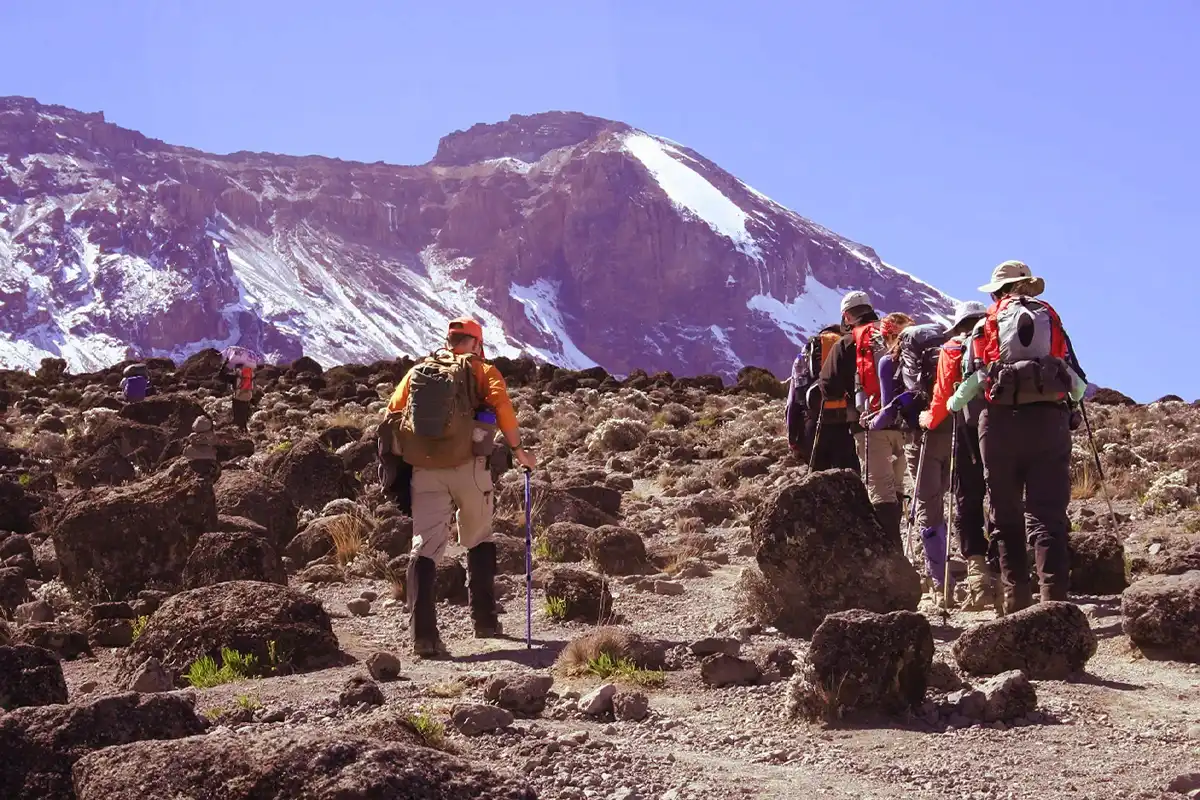
- 5 Days
5 Days Marangu Route
From
$1,500
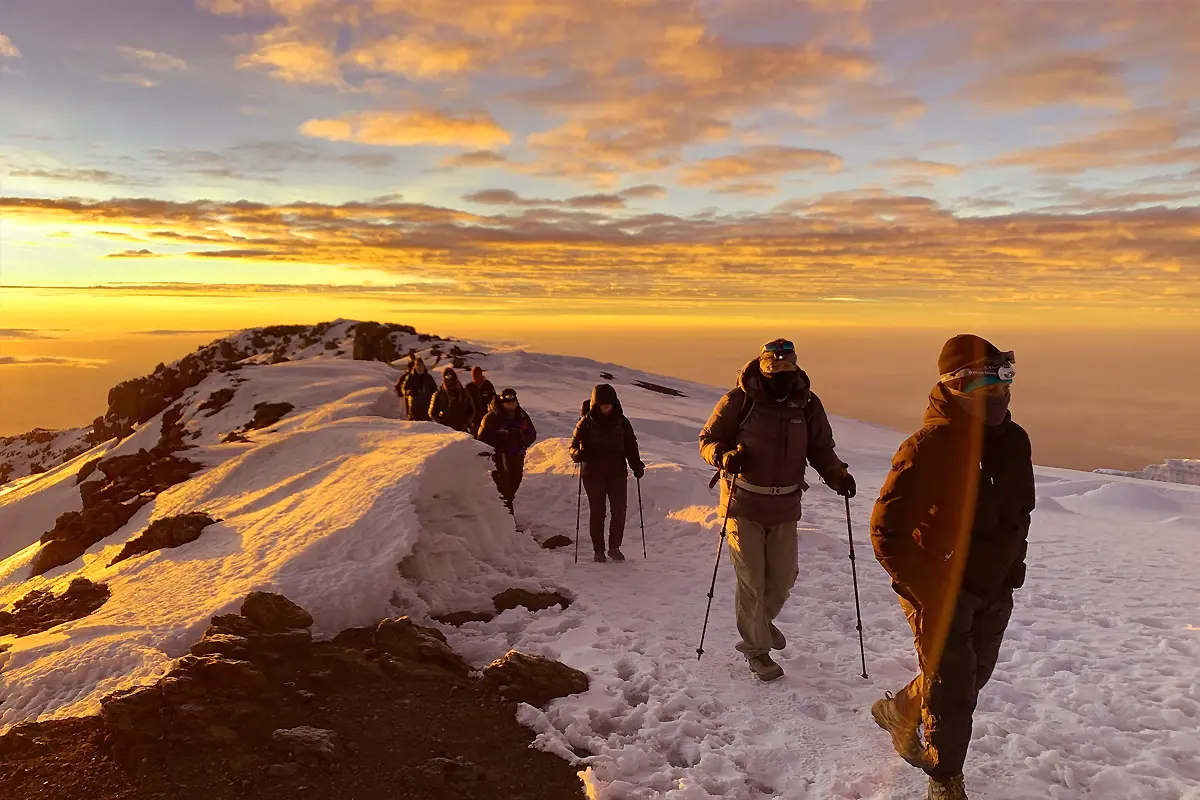
- 7 Days
7 Days Machame Route
From
$1,850
- 8 Days
8 Days Lemosho Route
From
$2,050
- 9 Days
9 Days Northern Circuit Route
From
$2,350
- 12 Days
8 Days Lemosho Route
From
$2,450