Mount Kilimanjaro climbing
Safety on Mount Kilimanjaro
Safety on Mount Kilimanjaro
Climbing Mount Kilimanjaro is one of the most rewarding adventures in the world—but it also comes with serious risks. Each year, many climbers require evacuation, and a small number of fatalities are reported, most commonly due to altitude-related illnesses.
At Tanzania Kili Climb Experts, we believe that honest information and strong safety systems are the foundation of a successful climb. Our goal is not just to get you to the summit—but to get you there safely and bring you back in good health.
Understanding the Real Risks
Kilimanjaro’s high altitude and remote environment create unique challenges that every climber must respect.
Key Risk Factors
| Risk | Explanation |
|---|---|
| High Altitude | Oxygen levels drop significantly above 3,000m |
| Altitude Sickness | The leading cause of evacuations and fatalities |
| Harsh Weather | Cold temperatures, wind, and sudden changes |
| Physical Strain | Multi-day trekking at increasing elevations |
| Limited Medical Access | Remote mountain environment |
Understanding these risks is the first step toward preventing them.
Our Safety Commitment
At Tanzania Kili Climb Experts, your health and well-being are our top priorities. We have built a comprehensive safety system based on experience, training, and international best practices.
Our Core Safety Measures
| Safety Feature | Description |
|---|---|
| Experienced Guides | Highly trained with extensive Kilimanjaro experience |
| WFR Certification | Wilderness First Responder trained professionals |
| Daily Health Checks | Monitoring oxygen levels and heart rate |
| Emergency Oxygen | Available on all climbs |
| First Aid Kits | For immediate treatment of minor injuries |
| Rescue Coordination | Fast evacuation procedures when needed |
These systems ensure we are fully prepared to handle both minor issues and serious emergencies.
Preventing and Managing Altitude Sickness
Altitude sickness is the most important risk to understand when climbing Kilimanjaro. It can affect anyone—regardless of age, fitness level, or prior experience.
Why It Happens
Altitude sickness occurs when your body cannot adapt quickly enough to reduced oxygen levels at high elevations.
Common Symptoms
| Symptom | Severity Level |
|---|---|
| Headache | Mild |
| Nausea & Loss of Appetite | Mild to Moderate |
| Fatigue | Mild |
| Dizziness | Moderate |
| Shortness of Breath | Moderate |
| Confusion / Loss of Coordination | Severe |
Early detection is critical. Ignoring symptoms can lead to serious conditions such as HAPE or HACE.
Daily Health Monitoring System
One of the most effective ways to stay safe on the mountain is through consistent health monitoring.
Our guides conduct checks twice daily to track how well your body is adapting.
What We Monitor
| Indicator | Purpose |
|---|---|
| Oxygen Saturation | Measures blood oxygen levels |
| Pulse Rate | Detects stress and fatigue |
| Symptom Review | Identifies early signs of AMS |
We also use structured assessment methods to evaluate your condition and make informed safety decisions.
Emergency Equipment & Response
Preparedness can make the difference between a minor issue and a serious emergency.
Equipment We Carry
| Equipment | Use |
|---|---|
| Bottled Oxygen | Immediate relief for altitude sickness |
| First Aid Kits | Treat injuries like cuts, blisters, and sprains |
| Stretchers | Evacuation for climbers unable to walk |
| Communication Devices | Rapid coordination with rescue teams |
Emergency Response Steps
-
Immediate assessment by guide
-
Stabilization using oxygen or first aid
-
Decision to descend or evacuate
-
Coordination with rescue services
-
Transfer to medical facility if required
Real Experiences from the Mountain
Altitude sickness can affect anyone—even experienced hikers in excellent physical condition.
We have seen cases where climbers with prior high-altitude experience suddenly develop symptoms that require immediate descent and oxygen support.
These real-life situations highlight one critical truth:
Preparation and professional support matter more than fitness alone.
Why Choosing the Right Operator Matters
Not all Kilimanjaro operators provide the same level of safety.
Comparison of Operator Standards
| Factor | Professional Operator | Basic Operator |
|---|---|---|
| Health Monitoring | Twice daily checks | Rare or none |
| Oxygen Supply | Always available | Often unavailable |
| Guide Training | Certified (WFR) | Limited training |
| Emergency Response | Structured protocols | Unclear procedures |
| Rescue Coordination | Reliable | Inconsistent |
Choosing the wrong company can put your health—and your life—at risk.
Our Safety Philosophy
We believe in:
-
Preventing problems before they happen
-
Monitoring every climber closely
-
Acting quickly at the first sign of danger
-
Never compromising on safety for summit success
We would confidently send our own family and friends on Kilimanjaro with the same team that guides our clients.
Final Thoughts: Climb with Confidence
Climbing Kilimanjaro is a serious undertaking—but with the right team, it is a safe and achievable goal.
At Tanzania Kili Climb Experts, we combine:
-
Expert guides
-
Proven safety systems
-
Reliable emergency support
-
Personalized care
So you can focus on the experience—knowing that your safety is in trusted hands.
Ready to Climb Safely?
Take the first step toward your Kilimanjaro adventure with a team that puts your safety first.
Tanzania Kili Climb Experts – Your Trusted Partner for a Safe Kilimanjaro Climb.
Talk to Our
Climbing Expert
What To Plan A Kilimanjaro Adventure?
Contact Us. We are always here to help you
Climb Kilimanjaro on expertly guided routes. 97.6% summit success rate
- 5 Days
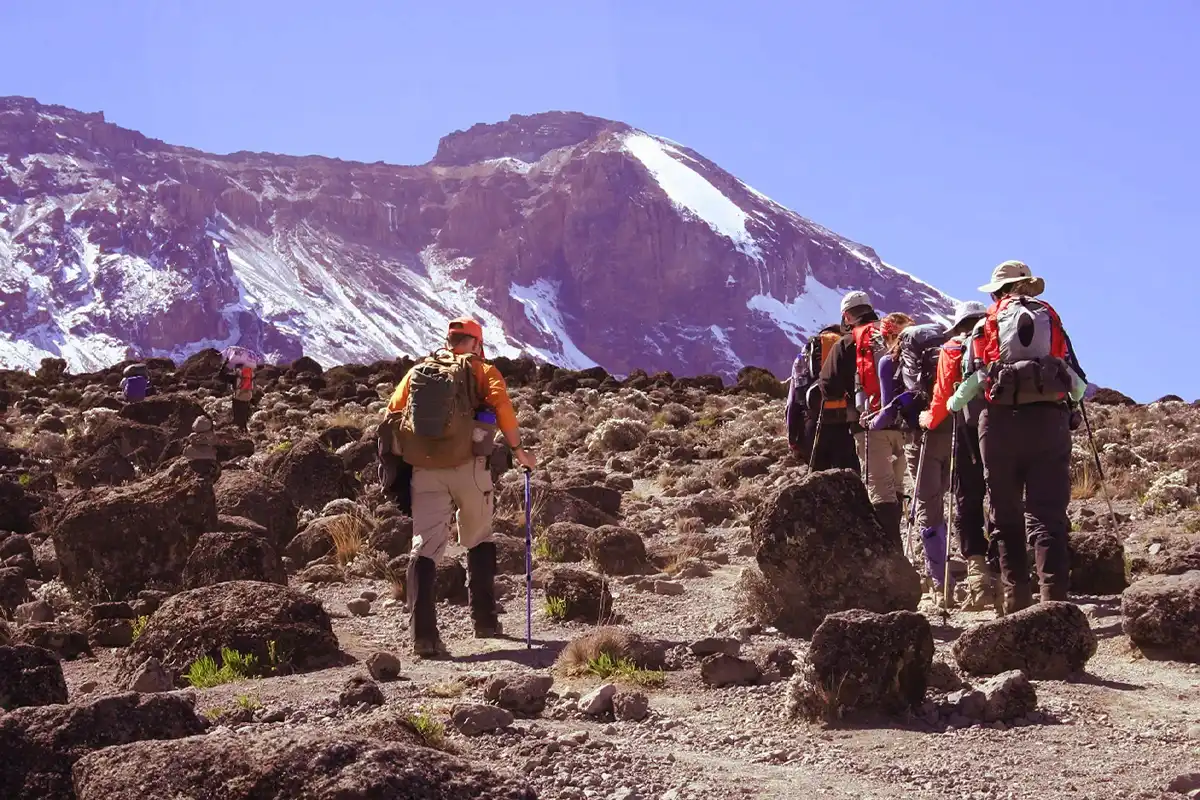
5 Days Marangu Route
From
$1,500
- 7 Days
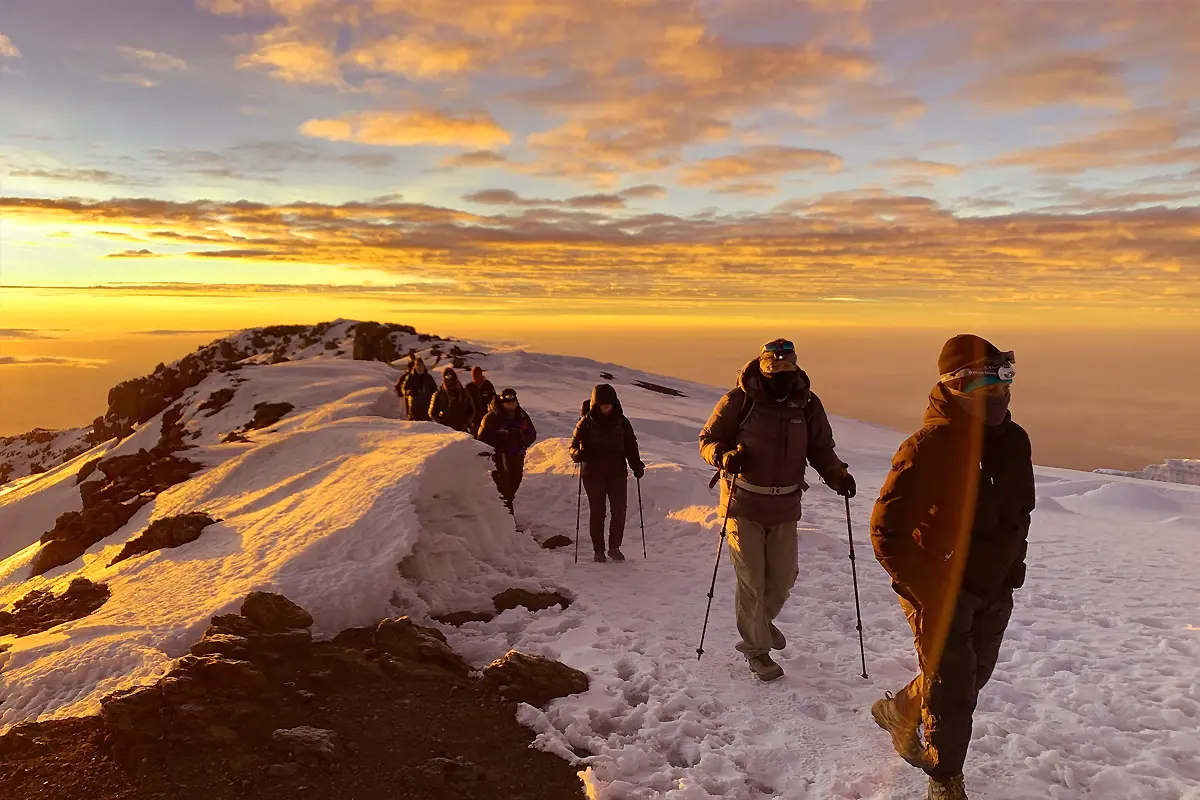
7 Days Machame Route
From
$1,850
- 8 Days
8 Days Lemosho Route
From
$2,050
- 9 Days
9 Days Northern Circuit Route
From
$2,350
- 12 Days
8 Days Lemosho Route
From
$2,450