Mount Kilimanjaro climbing
Training for Kilimanjaro
Your journey to the summit of Mount Kilimanjaro begins long before you step onto the trail. Proper training prepares your body and mind for the challenge of trekking Africa’s highest mountain and greatly improves your chances of reaching Uhuru Peak (5,895 m).
At Tanzania Kili Climb Experts, we encourage climbers to follow a simple but effective training plan several weeks before their expedition. While Kilimanjaro does not require technical climbing skills, the altitude, long trekking days, and steep terrain demand good physical fitness and mental determination.
With the right preparation, most healthy and motivated trekkers can successfully reach the summit.
Why Training for Kilimanjaro Is Important
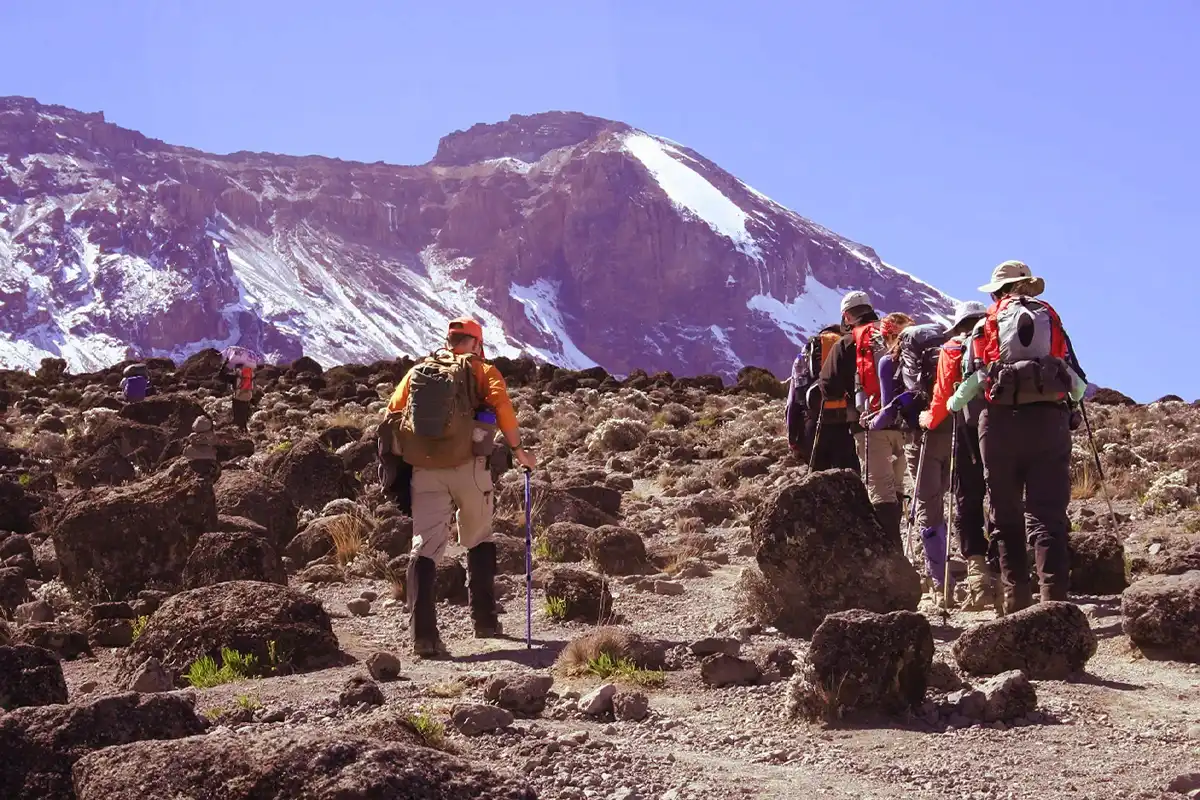
Although climbing Kilimanjaro is achievable for beginners, the trek involves 6–9 days of continuous hiking at high altitude. Training helps your body adapt to long walking hours, improves endurance, and reduces the risk of fatigue.
Key benefits of training include:
-
Better endurance for long hiking days
-
Stronger muscles and joints
-
Improved breathing capacity at altitude
-
Reduced risk of injury
-
Higher summit success rate
Climbers who prepare well often enjoy the journey more and feel stronger during the final summit push.
When to Start Training
Your training schedule should depend on your current fitness level.
| Fitness Level | Recommended Training Time |
|---|---|
| Beginner | 8 – 12 weeks before climb |
| Moderately active | 6 – 8 weeks before climb |
| Regular hiker | 4 – 6 weeks before climb |
A gradual increase in activity is the best approach. Start slowly and build up endurance over time.
How to Prepare for a Kilimanjaro Climb
Preparing for Kilimanjaro requires a combination of cardio fitness, strength training, and hiking practice.
The ideal training program should include:
-
Aerobic conditioning
-
Strength training
-
Hiking practice
-
Backpack training
-
Mental preparation
This balanced approach helps you develop the stamina needed for long trekking days on the mountain.
Best Exercises for Kilimanjaro Training
Training should simulate the physical demands of trekking for 5–7 hours per day on mountain trails.
| Exercise Type | Purpose |
|---|---|
| Hiking | Builds endurance and leg strength |
| Stair climbing | Simulates uphill trekking |
| Running or jogging | Improves cardiovascular fitness |
| Cycling | Strengthens legs with low impact |
| Swimming | Improves lung capacity |
These exercises help your body adapt to long periods of activity, which is essential for trekking at high altitude.
Strength Training
Strength training is an important part of preparing for Kilimanjaro. Strong muscles help you maintain stability while walking on uneven terrain and carrying a daypack.
Focus on strengthening the legs, core, and upper body.
| Exercise | Muscle Group |
|---|---|
| Squats | Legs and glutes |
| Lunges | Legs and balance |
| Step-ups | Climbing strength |
| Push-ups | Upper body |
| Planks | Core stability |
Two to three strength sessions per week can significantly improve trekking performance.
Aerobic Training
Cardiovascular fitness plays a major role when trekking at high altitude. Aerobic exercises strengthen your heart and lungs, allowing your body to use oxygen more efficiently.
Recommended aerobic exercises include:
-
Running or jogging
-
Brisk walking
-
Cycling
-
Swimming
-
Stair climbing
| Activity | Suggested Duration |
|---|---|
| Jogging | 30 – 45 minutes |
| Cycling | 45 – 60 minutes |
| Brisk walking | 60 minutes |
Try to perform aerobic workouts 3–4 times per week.
Practice Hiking
One of the best ways to prepare for Kilimanjaro is by regular hiking. This helps your body adjust to long trekking days and prepares your feet and joints for mountain trails.
Practice hikes should gradually increase in distance and elevation.
| Week | Hiking Distance |
|---|---|
| Week 1–2 | 4–5 km |
| Week 3–4 | 6–8 km |
| Week 5–6 | 10–12 km |
| Week 7–8 | 12–15 km |
Whenever possible, hike on hills or uneven terrain to simulate real mountain conditions.
Backpack and Weight Training
During your Kilimanjaro trek, you will carry a small daypack containing essentials such as water, snacks, and extra clothing.
Training with a backpack helps your body adjust to this extra weight.
| Training Stage | Backpack Weight |
|---|---|
| Early training | 2–3 kg |
| Mid training | 4–5 kg |
| Final weeks | 5–6 kg |
This prepares your shoulders and back for long trekking days.
Mental Stamina
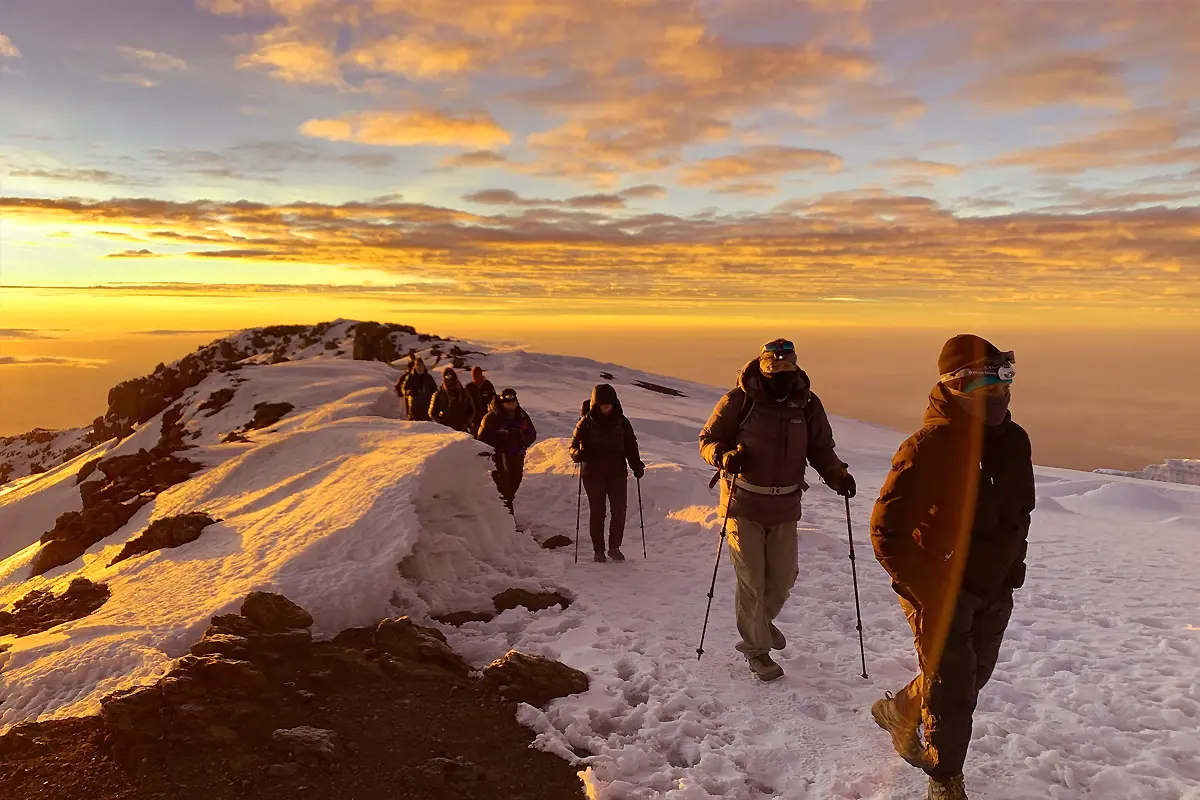
Climbing Kilimanjaro is not just a physical challenge — it also requires strong mental determination. The final summit night can be long and demanding, especially at high altitude.
Developing mental resilience helps you stay motivated even when the climb becomes difficult.
Ways to strengthen mental stamina:
-
Set realistic goals for your climb
-
Maintain a steady hiking pace
-
Stay positive and patient during the trek
-
Focus on each step rather than the entire journey
A strong mindset is often the key factor in reaching the summit.
Nutrition and Food Preparation
Your body needs proper nutrition to support intense physical activity and high-altitude trekking.
Before your climb, focus on a balanced diet rich in carbohydrates, protein, and essential nutrients.
| Nutrient | Food Sources |
|---|---|
| Carbohydrates | Rice, pasta, potatoes, bread |
| Protein | Eggs, fish, beans, chicken |
| Iron | Spinach, red meat, lentils |
| Healthy fats | Nuts, avocado, olive oil |
Carbohydrates are particularly important because they provide the energy needed for long trekking days.
Supplements for Kilimanjaro Training
Some climbers choose to include supplements during their training program.
Common options include:
-
Iron supplements (if recommended by a doctor)
-
Multivitamins
-
Electrolyte drinks
-
Protein supplements after workouts
Always consult a healthcare professional before starting new supplements.
Kilimanjaro Training Tips from Tanzania Kili Climb Experts
Our experienced mountain guides recommend these simple tips:
-
Train consistently rather than intensely
-
Break in your hiking boots before the climb
-
Practice hiking with your daypack
-
Stay hydrated during training
-
Maintain a balanced diet
Following these guidelines will help you feel confident and prepared when your Kilimanjaro adventure begins.
Training for Kilimanjaro FAQs
How fit do you need to be to climb Kilimanjaro?
You should be able to hike 6–8 hours per day for several consecutive days. Moderate fitness and endurance are usually sufficient.
Do you need to train to climb Kilimanjaro?
Training is highly recommended. It improves your stamina and increases your chances of reaching the summit.
How long should you train before climbing Kilimanjaro?
Most climbers should train for 6–8 weeks before the expedition.
Can beginners climb Kilimanjaro?
Yes. Many beginners successfully climb Kilimanjaro with proper preparation and experienced guides.
Can you climb Kilimanjaro without training?
It is possible, but training significantly improves comfort, safety, and summit success.
Start Your Kilimanjaro Adventure
With the right preparation, climbing Mount Kilimanjaro can become one of the most rewarding experiences of your life.
At Tanzania Kili Climb Experts, our professional guides, well-planned routes, and high safety standards help climbers from around the world achieve their dream of standing on the Roof of Africa.
Talk to Our
Climbing Expert
What To Plan A Kilimanjaro Adventure?
Contact Us. We are always here to help you
Climb Kilimanjaro on expertly guided routes. 97.6% summit success rate
- 5 Days
5 Days Marangu Route
From
$1,500
- 7 Days
7 Days Machame Route
From
$1,850
- 8 Days
8 Days Lemosho Route
From
$2,050
- 9 Days
9 Days Northern Circuit Route
From
$2,350
- 12 Days
8 Days Lemosho Route
From
$2,450