Mount Kilimanjaro climbing
Climbing Kilimanjaro Solo
Climbing Kilimanjaro Solo: A Complete Guide for Independent Trekkers
For many adventurers, climbing Mount Kilimanjaro alone is a personal dream. Solo travel offers independence, reflection, and a deeper connection with nature. However, climbing Africa’s highest mountain requires careful planning, professional guidance, and proper preparation.
At Tanzania Kili Climb Experts, we help solo travellers safely experience the challenge of Kilimanjaro while providing the support of experienced guides, porters, and logistics teams. This guide explains what “solo climbing” really means, the benefits and challenges, and how to plan your independent adventure successfully.
What Does Climbing Kilimanjaro Solo Really Mean?
Many travellers imagine that a solo climb means hiking completely alone on the mountain. In reality, climbing Kilimanjaro without a licensed guide is not allowed under Tanzanian national park regulations.
A “solo climb” usually means:
-
You travel alone without other climbers in your group
-
You have your own private climbing team
-
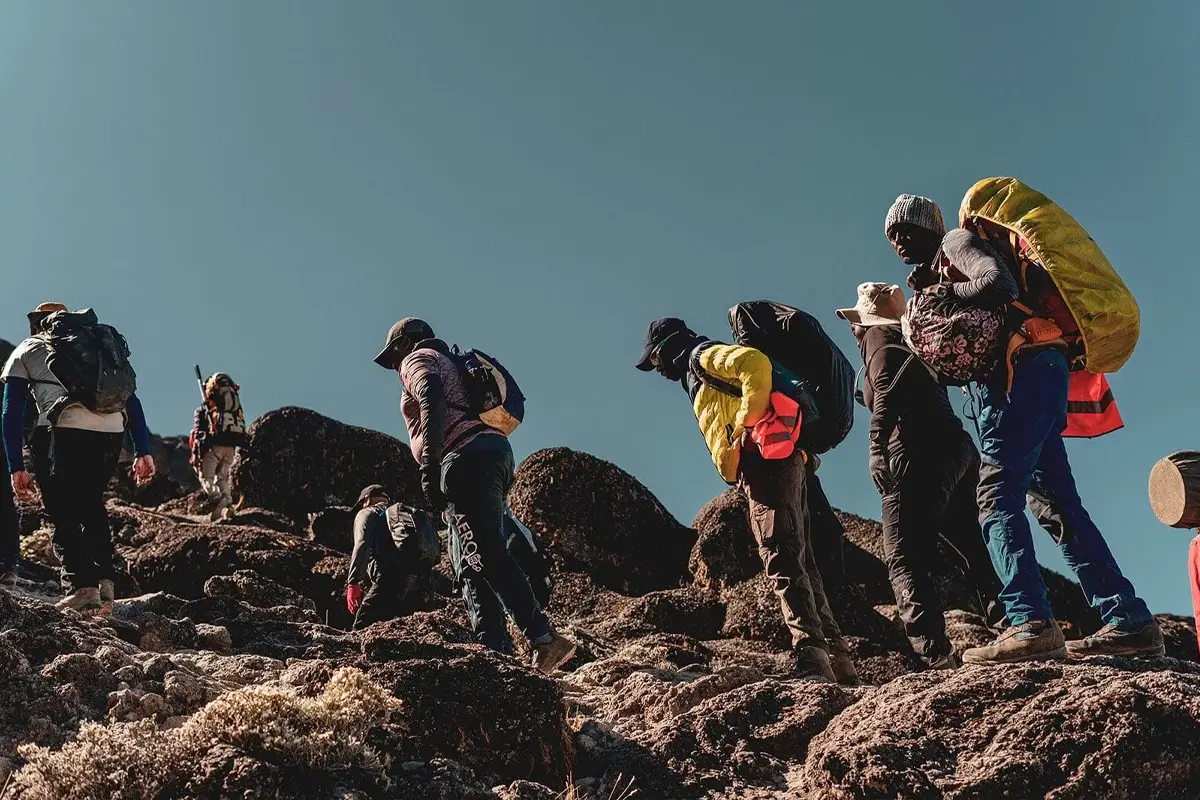
Guides, cooks, and porters support your trek
Who Accompanies a Solo Climber
| Team Member | Role |
|---|---|
| Mountain Guide | Leads the climb and monitors safety |
| Assistant Guides | Help manage pace and altitude monitoring |
| Porters | Carry camping equipment and supplies |
| Cook | Prepares meals during the trek |
Even when travelling solo, you will have a professional support team ensuring a safe and comfortable climb.
Why Many Travellers Choose to Climb Kilimanjaro Solo
Solo climbing has become increasingly popular among travellers seeking a more personal experience on the mountain.
Main Reasons Solo Climbers Choose a Private Trek
| Reason | Explanation |
|---|---|
| Personal challenge | Achieving a lifelong goal independently |
| Flexible itinerary | Customize route and schedule |
| Quiet mountain experience | More solitude on the trail |
| Personal pace | Walk at your own comfortable speed |
Solo climbers often enjoy the freedom to design their own trekking experience, something that is not always possible in group tours.
Risks to Consider When Climbing Kilimanjaro Solo
Mount Kilimanjaro reaches 5,895 meters (19,341 ft) above sea level, placing it in the category of very high altitude mountains. Even though the climb is technically non-technical, the altitude can create serious challenges.
Common Risks on Kilimanjaro
| Risk | Description |
|---|---|
| Altitude sickness | Headaches, nausea, dizziness |
| Extreme weather | Cold temperatures and strong winds |
| Fatigue | Long trekking days at high elevation |
| Medical emergencies | Possible need for evacuation |
Proper acclimatization, experienced guides, and good physical preparation significantly reduce these risks.
Why Preparation Is Important for Solo Climbers
Solo travellers must prepare both physically and mentally before attempting the climb.
Key Preparation Areas
| Preparation Type | Importance |
|---|---|
| Cardiovascular training | Builds endurance for long trekking days |
| Strength training | Supports muscles and joints |
| Hiking practice | Helps adjust to carrying a backpack |
| Altitude awareness | Understanding symptoms of altitude sickness |
The best training activity is regular hiking with a loaded backpack, ideally several weeks before your trip.
Why Choose a Professional Trekking Company
Organizing a Kilimanjaro climb independently is extremely difficult because permits, logistics, and safety requirements must be arranged in advance.
Working with a reputable operator like Tanzania Kili Climb Experts ensures:
-
Professional mountain guides
-
Safe trekking logistics
-
Quality camping equipment
-
Proper acclimatization schedules
-
Emergency support if needed
This allows solo travellers to focus on the adventure while experts manage the details.
Key Factors to Consider for a Solo Kilimanjaro Climb
Kilimanjaro Climb Cost
Solo climbs are usually more expensive than group climbs because all logistics are arranged for one traveller.
| Cost Factor | Description |
|---|---|
| Park permits | Required for all climbers |
| Guides and porters | Dedicated support team |
| Accommodation | Hotels before and after trek |
| Private logistics | Transportation and equipment |
Sharing accommodation with another traveller can sometimes reduce costs.
Safety for Female Solo Travellers
Kilimanjaro is considered a safe destination for female travellers when climbing with a professional operator.
At Tanzania Kili Climb Experts, we prioritize safety and provide:
-
Experienced mountain guides
-
Secure accommodations
-
Supportive trekking teams
-
Safe transportation services
Many women successfully climb Kilimanjaro alone each year.
Private Climb vs Group Climb
Solo travellers can either book a private climb or join a scheduled group trek.
Comparison of Climb Options
| Option | Advantages | Disadvantages |
|---|---|---|
| Private climb | Flexible schedule and pace | Higher cost |
| Group climb | Lower cost and social atmosphere | Less itinerary flexibility |
Choosing between these options depends on budget, travel style, and personal preference.
Best Time to Climb Kilimanjaro Solo
Kilimanjaro can be climbed year-round, but some seasons offer better weather conditions.
| Season | Months | Conditions |
|---|---|---|
| Peak season | June – October | Dry weather, more climbers |
| Short dry season | January – March | Good visibility and moderate crowds |
| Green season | April – May & November | Fewer climbers but more rain |
Solo travellers seeking quieter trails often prefer shoulder or green seasons.
Success Rate for Solo Climbers
There is no official data showing that solo climbers succeed more often than group climbers. However, private climbs sometimes have higher success rates because the itinerary and pace can be adjusted to the individual climber.
Factors that influence summit success include:
-
Proper acclimatization
-
Physical fitness
-
Route choice
-
Weather conditions
-
Guide experience
Benefits of Joining a Kilimanjaro Group Climb
Some solo travellers prefer to join a group trek instead of booking a private climb.
Advantages of Group Climbs
| Benefit | Explanation |
|---|---|
| Lower cost | Expenses are shared between climbers |
| Social experience | Meet travellers from around the world |
| Motivation | Group support during challenging sections |
| Fixed schedules | Easier planning for travel dates |
Group climbs can make the journey more social and budget-friendly.
Challenges of Group Climbs
Group tours also have some limitations.
Possible Downsides
| Challenge | Explanation |
|---|---|
| Fixed itinerary | Less flexibility in route planning |
| Pace adjustments | Must match the group’s speed |
| Larger teams | Less solitude on the trail |
Some climbers prefer a private trek to enjoy a more personalized mountain experience.
Advantages of Climbing Kilimanjaro Solo
A private solo climb offers several unique benefits.
Key Advantages
| Advantage | Description |
|---|---|
| Flexible itinerary | Customize routes and trekking days |
| Personal pace | Walk at a comfortable speed |
| Quiet trekking experience | Enjoy solitude in nature |
| Personalized support | Guides focus on your needs |
Many climbers find that a solo trek creates a more meaningful and reflective journey.
Disadvantages of Solo Climbing
Solo climbs also come with some trade-offs.
Possible Challenges
| Challenge | Explanation |
|---|---|
| Higher cost | Private logistics increase price |
| Less social interaction | No fellow climbers to share the journey |
| Mental challenge | Some sections can feel isolated |
These factors are worth considering when deciding between a private trek or group climb.
Kilimanjaro Preparation Tips for Solo Climbers
Proper preparation improves both safety and summit success.
Recommended Training Activities
| Activity | Benefit |
|---|---|
| Hiking | Builds endurance |
| Running or jogging | Improves cardiovascular fitness |
| Cycling or swimming | Strengthens stamina |
| Backpack training | Simulates trekking conditions |
Training should begin at least 6–8 weeks before your climb.
Mental preparation is also important. Summit night can be physically demanding, and determination plays a major role in reaching the top.
Why Plan Your Solo Climb with Tanzania Kili Climb Experts
Climbing Kilimanjaro alone does not mean doing everything yourself. A reliable trekking company ensures that every part of your expedition runs smoothly.
When climbing with Tanzania Kili Climb Experts, solo travellers benefit from:
-
Experienced and certified mountain guides
-
Carefully designed acclimatization itineraries
-
High-quality camping equipment
-
Professional safety procedures
-
Dedicated support throughout the trek
Our goal is to help independent travellers experience Kilimanjaro safely while enjoying the freedom of a private adventure.
Climbing Kilimanjaro Solo FAQs
How Long Does It Take to Climb Mount Kilimanjaro?
Most routes take 6 to 8 days, depending on the route and acclimatization schedule.
What Is the Success Rate for Kilimanjaro Climbers?
Success rates vary by route and preparation, but well-planned treks with experienced guides can achieve summit success rates above 90%.
Which Routes Have the Highest Success Rates?
Routes with longer acclimatization periods often have higher success rates.
| Route | Typical Duration |
|---|---|
| Lemosho Route | 7–8 days |
| Machame Route | 6–7 days |
| Rongai Route | 6–7 days |
| Marangu Route | 5–6 days |
Longer routes generally provide better altitude adaptation.
Talk to Our
Climbing Expert
What To Plan A Kilimanjaro Adventure?
Contact Us. We are always here to help you
Climb Kilimanjaro on expertly guided routes. 97.6% summit success rate
- 5 Days
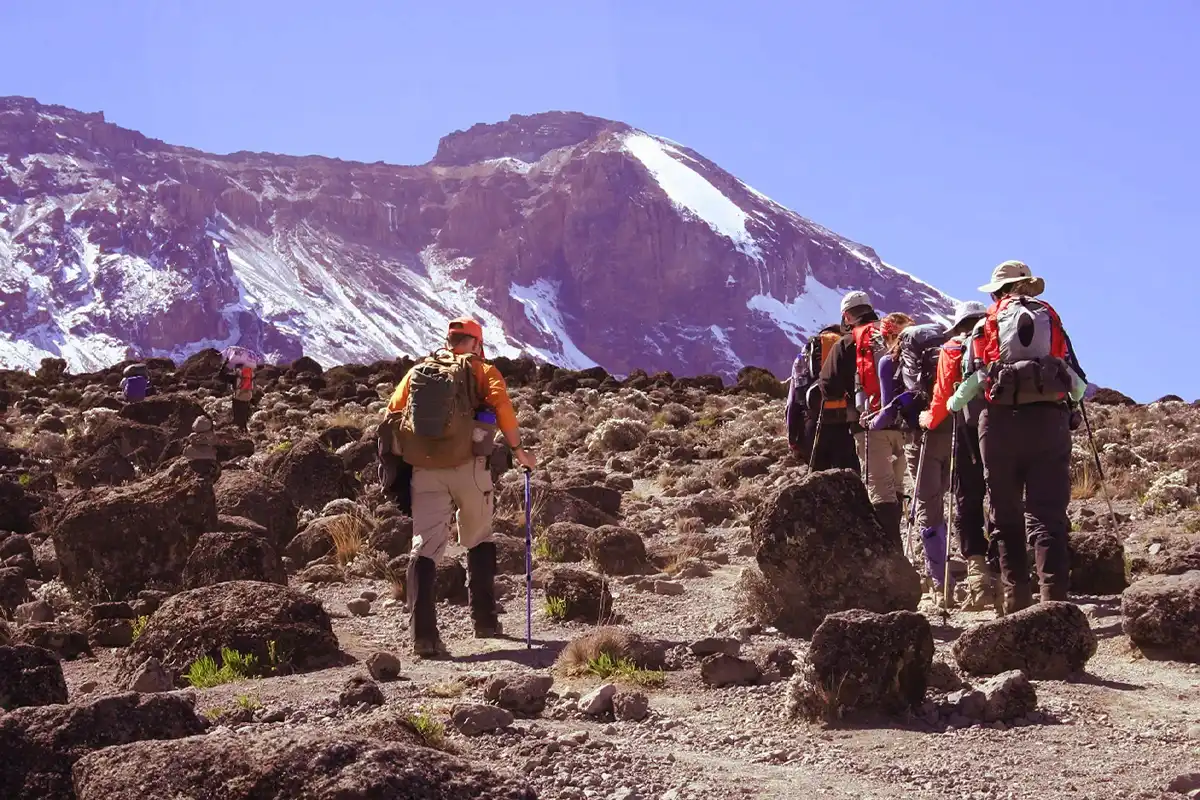
5 Days Marangu Route
From
$1,500
- 7 Days
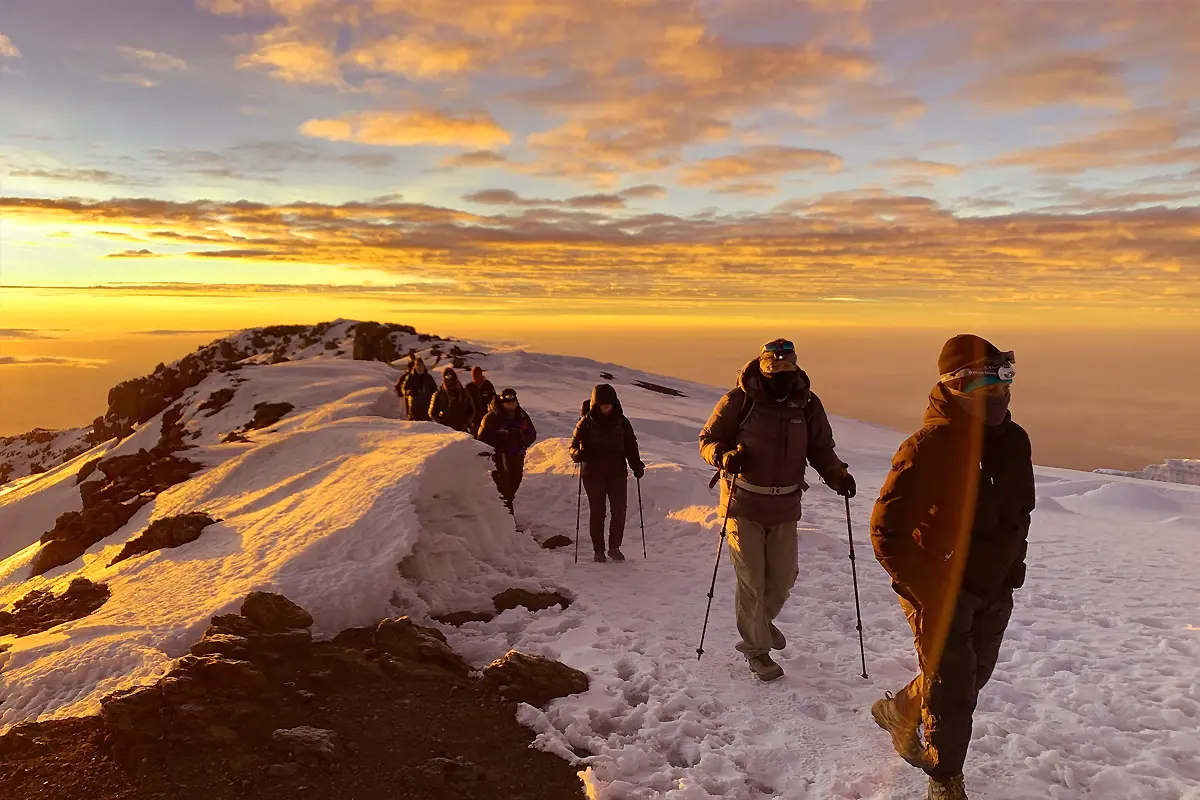
7 Days Machame Route
From
$1,850
- 8 Days
8 Days Lemosho Route
From
$2,050
- 9 Days
9 Days Northern Circuit Route
From
$2,350
- 12 Days
8 Days Lemosho Route
From
$2,450