Mount Kilimanjaro climbing
Kilimanjaro Success Rate
Kilimanjaro Success Rate: How to Increase Your Chances of Reaching the Summit
Reaching the summit of Mount Kilimanjaro is a dream for thousands of climbers each year. While the mountain is considered one of the most accessible of the Seven Summits, not every climber successfully reaches Uhuru Peak (5,895 m / 19,341 ft).
The average Kilimanjaro summit success rate is around 60%–70%, depending on the route chosen, the number of days spent on the mountain, and the level of preparation.
At Tanzania Kili Climb Experts, we focus on carefully designed itineraries, experienced guides, and proper acclimatization schedules to significantly improve climbers’ chances of standing on the roof of Africa.
Why Kilimanjaro Success Rates Vary
Not all Kilimanjaro routes offer the same success rates. Several important factors influence whether a climber reaches the summit.
Main Factors That Affect Summit Success
| Factor | Why It Matters |
|---|---|
| Route duration | Longer routes allow better acclimatization |
| Altitude adjustment | The body needs time to adapt to lower oxygen levels |
| Physical fitness | Good endurance helps manage long trekking days |
| Mental strength | Determination is essential during summit night |
| Guide experience | Professional guides monitor health and pacing |
The rate of ascent plays the biggest role. Climbers who spend more days on the mountain generally have a higher chance of reaching the summit.
Kilimanjaro Routes and Their Typical Success Rates
There are several official routes used to climb Mount Kilimanjaro. Each route offers a different difficulty level, scenery, and acclimatization profile.
Estimated Success Rates by Route
| Kilimanjaro Route | Average Duration | Estimated Success Rate | Key Features |
|---|---|---|---|
| Northern Circuit | 8–9 days | 90–95% | Longest route with excellent acclimatization |
| Lemosho Route | 7–8 days | 90% | Scenic route with gradual ascent |
| Machame Route | 6–7 days | 85–90% | Popular route with “climb high, sleep low” profile |
| Rongai Route | 6–7 days | 80–85% | Drier northern approach |
| Umbwe Route | 6 days | 70–75% | Steep and physically demanding |
| Marangu Route | 5–6 days | 60–65% | Shortest route with hut accommodation |
Routes with longer acclimatization profiles consistently show the highest summit success rates.
How Route Duration Impacts Summit Success
The number of days you spend on the mountain has a direct impact on your body’s ability to adapt to altitude.
Success Rate Based on Climb Duration
| Trek Duration | Estimated Success Rate |
|---|---|
| 5 days | 60% – 65% |
| 6 days | 65% – 70% |
| 7 days | 75% – 85% |
| 8 days | 85% – 90% |
| 9 days | 90% – 95% |
At Tanzania Kili Climb Experts, we recommend 7–9 day itineraries for the best balance of safety and summit success.
Which Kilimanjaro Route Has the Highest Success Rate?
The Northern Circuit Route generally has the highest success rate among all Kilimanjaro routes.
Why the Northern Circuit Performs Best
| Advantage | Explanation |
|---|---|
| Long itinerary | 8–9 days allow gradual acclimatization |
| Low traffic | Fewer climbers compared to other routes |
| Gradual ascent | Reduces altitude sickness risk |
| 360° scenery | Offers panoramic views around the mountain |
This route provides the best chance of reaching Uhuru Peak safely while enjoying spectacular landscapes.
Practical Tips to Improve Your Kilimanjaro Success Rate
Proper planning and preparation dramatically increase your chances of summiting Kilimanjaro.
Essential Success Tips
| Tip | Why It Helps |
|---|---|
| Choose a longer route | Improves acclimatization |
| Walk slowly | Conserves energy and helps oxygen adaptation |
| Drink enough water | Prevents dehydration and altitude issues |
| Use proper gear | Keeps you warm and comfortable |
| Listen to guides | Guides monitor your health and pace |
One of the most important rules on Kilimanjaro is “Pole Pole” (slowly, slowly).
Key Factors That Influence Summit Success
Several additional factors play a role in whether climbers reach the summit.
Important Success Factors
| Factor | Impact on Climb |
|---|---|
| Guide expertise | Experienced guides detect altitude symptoms early |
| Acclimatization days | Extra days improve oxygen adaptation |
| Nutrition on the mountain | Proper meals maintain energy levels |
| Quality equipment | Good gear protects against cold weather |
| Mental preparation | Positive mindset helps during summit push |
At Tanzania Kili Climb Experts, our mountain teams perform daily health checks to ensure climbers are adapting well to altitude.
Insights from Kilimanjaro Altitude Studies
Research from mountain medicine organizations shows that altitude sickness is the biggest challenge on Kilimanjaro.
Findings from High-Altitude Research
| Observation | Result |
|---|---|
| Average summit success | Around 60%–61% |
| Incidence of altitude sickness | Up to 70–77% of climbers experience mild symptoms |
| Extra acclimatization days | Significantly improve summit chances |
| Use of altitude medication | May reduce symptoms for some climbers |
Climbers who follow slower ascent profiles and proper acclimatization strategies have much higher success rates.
Factors That Affect a Climber’s Ability to Reach the Summit
Success on Kilimanjaro depends on more than just fitness.
Physical and Physiological Factors
| Factor | Description |
|---|---|
| Oxygen saturation | Higher oxygen levels improve endurance |
| Genetics | Some people adapt to altitude faster |
| Hydration | Essential for altitude adaptation |
| Overall health | Pre-existing conditions can influence performance |
Even very fit climbers can struggle if they ascend too quickly.
Overall Kilimanjaro Summit Outcomes
Based on historical climbing data, summit attempts generally fall into several categories.
Typical Summit Attempt Outcomes
| Outcome | Approximate Percentage |
|---|---|
| Climbers reaching Uhuru Peak | ~60–65% |
| Climbers stopping at Gilman’s Point | ~15–20% |
| Climbers descending during summit attempt | ~10–15% |
| Climbers unable to leave high camp | ~5–10% |
These numbers highlight why proper preparation and route choice are critical.
Best Practices for a Successful Kilimanjaro Climb
Following a few proven strategies greatly improves summit success.
Recommended Strategy for Climbers
| Strategy | Benefit |
|---|---|
| Choose the right route | Improves acclimatization |
| Train before your climb | Builds endurance |
| Stay hydrated | Supports altitude adaptation |
| Bring quality gear | Protects against harsh weather |
| Maintain a positive mindset | Helps during the toughest moments |
Climbing Kilimanjaro is as much a mental challenge as a physical one.
Why Climb with Tanzania Kili Climb Experts
The experience and support of your climbing team can make the difference between turning back and reaching the summit.
When you climb with Tanzania Kili Climb Experts, you benefit from:
-
Experienced mountain guides
-
Carefully designed high-success itineraries
-
Quality camping equipment
-
Professional safety monitoring
-
Personalized support throughout the climb
Our mission is to help every climber reach the summit safely while enjoying the journey to the top of Africa.
Kilimanjaro Success Rate FAQs
What Is the Average Kilimanjaro Success Rate?
Across all routes and itineraries, the average summit success rate is around 60%–70%.
Which Route Has the Highest Success Rate?
The Northern Circuit Route typically has the highest success rate because it allows the most time for acclimatization.
Does Physical Fitness Guarantee Summit Success?
No. Fitness helps, but acclimatization and pacing are the most important factors.
What Is the Best Time to Climb Kilimanjaro?
The most popular climbing seasons are:
| Season | Months |
|---|---|
| Dry season | June – October |
| Short dry season | January – March |
These periods usually offer clear skies and more stable weather conditions.

Talk to Our
Climbing Expert
What To Plan A Kilimanjaro Adventure?
Contact Us. We are always here to help you
Climb Kilimanjaro on expertly guided routes. 97.6% summit success rate
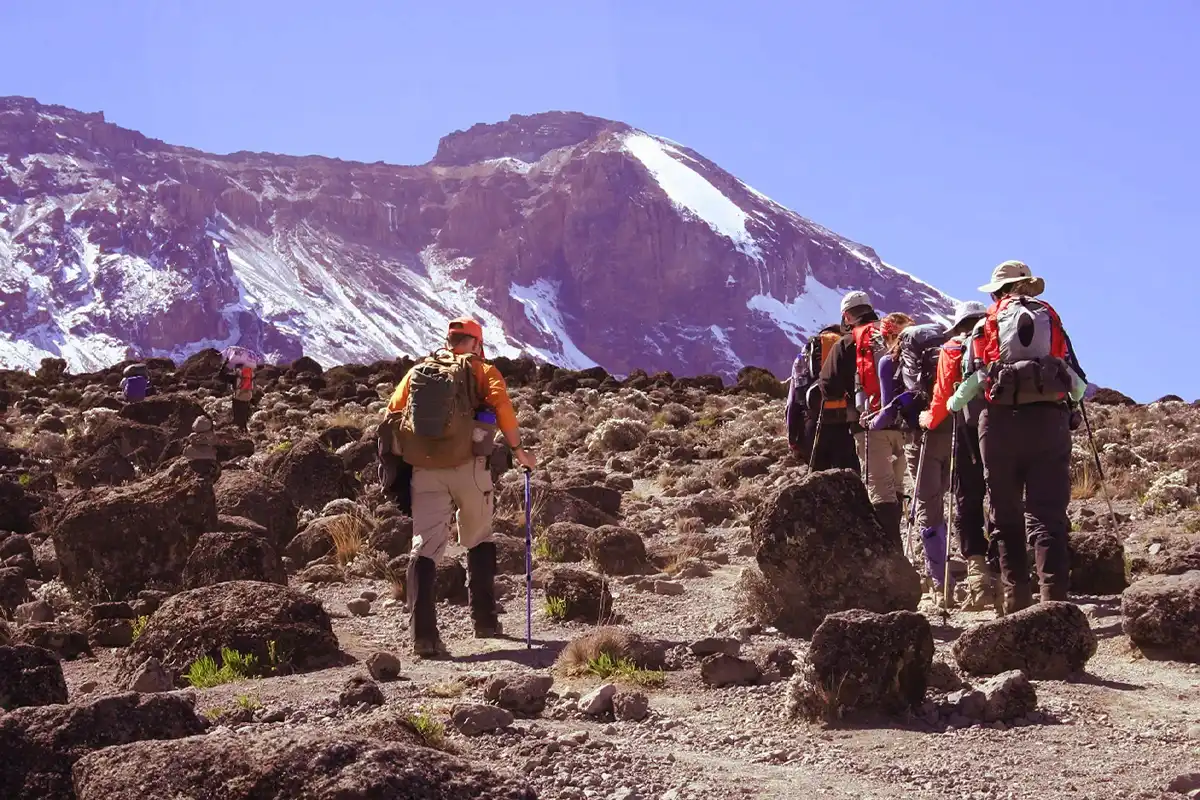
- 5 Days
5 Days Marangu Route
From
$1,500
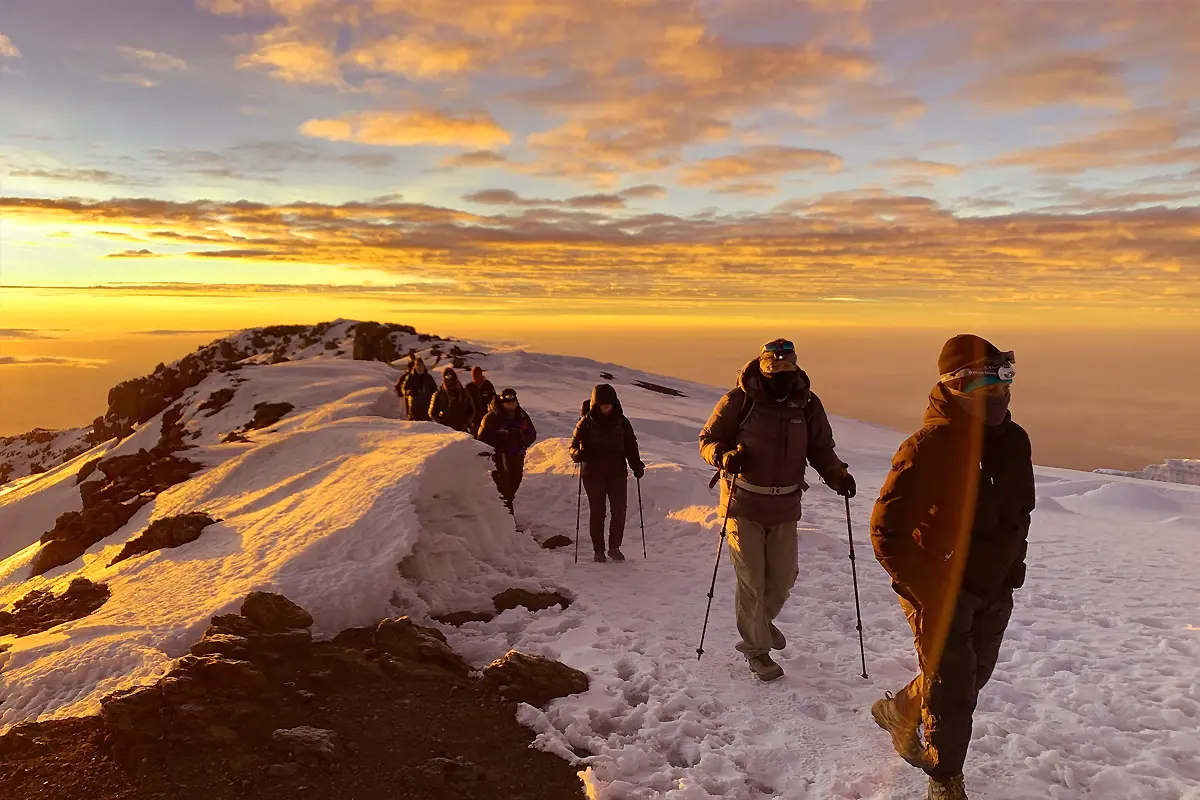
- 7 Days
7 Days Machame Route
From
$1,850
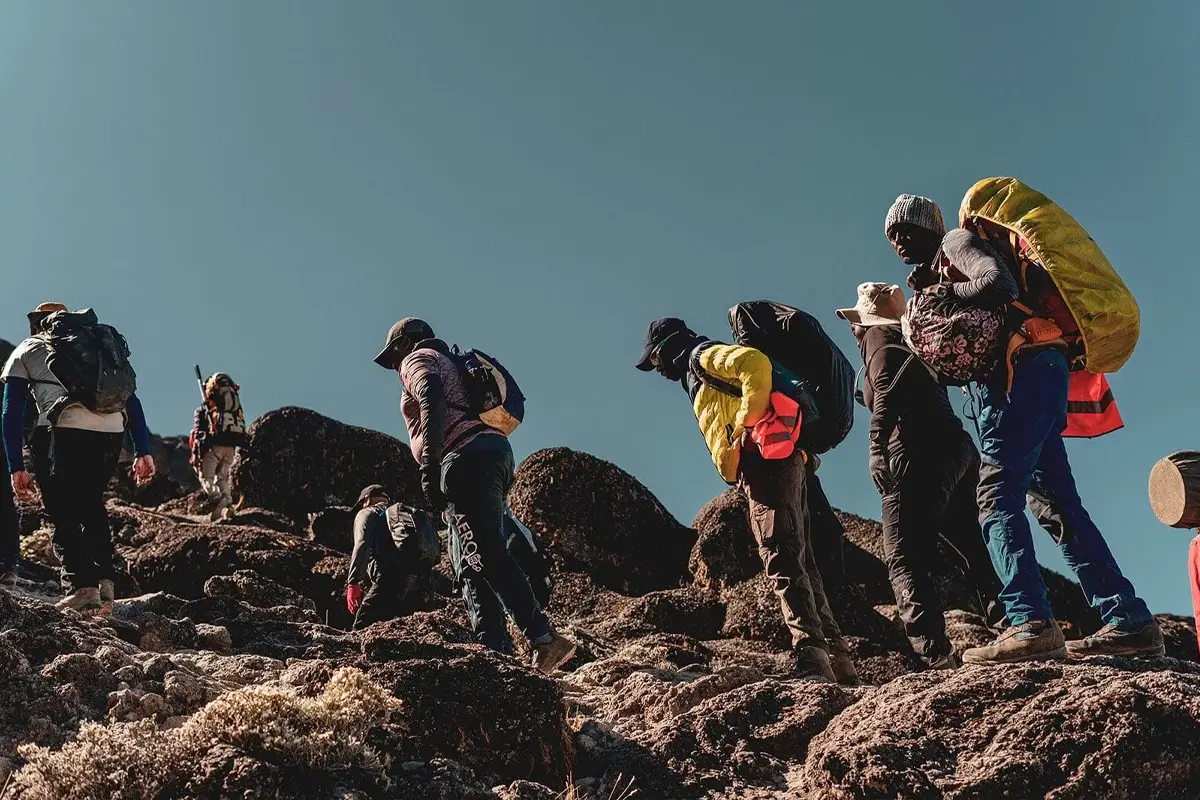
- 8 Days
8 Days Lemosho Route
From
$2,050
- 9 Days
9 Days Northern Circuit Route
From
$2,350
- 12 Days
8 Days Lemosho Route
From
$2,450