Mount Kilimanjaro climbing
Mount Kilimanjaro Temperature
Kilimanjaro Temperature: What to Expect at Every Altitude
Understanding the temperature on Mount Kilimanjaro is one of the most important parts of preparing for your climb. Because the mountain rises to 5,895 meters (19,341 ft) above sea level, temperatures vary dramatically from the base to the summit.
At Tanzania Kili Climb Experts, we always remind climbers that Kilimanjaro has its own weather system. During the climb, you may experience warm tropical temperatures at the start and freezing arctic conditions at the summit.
The journey from the mountain gate to Uhuru Peak is often compared to traveling from the equator to the Arctic in just a few days.
How Temperature Changes on Mount Kilimanjaro
Unlike many mountains, Kilimanjaro’s temperature does not change drastically between seasons. Instead, altitude is the biggest factor affecting temperature.
At the base of the mountain, conditions are warm and tropical. As you climb higher, the air becomes thinner, colder, and windier.
Typical Temperature Changes by Elevation
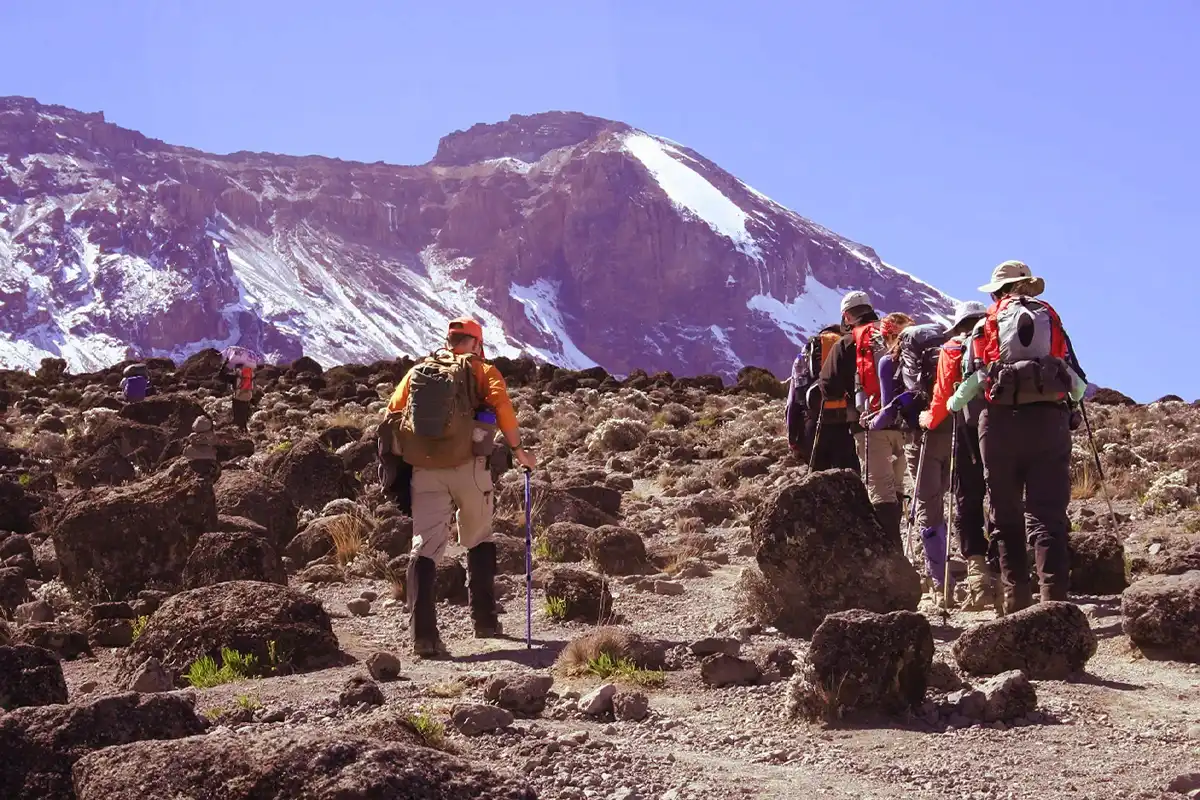
| Elevation | Location | Average Temperature |
|---|---|---|
| 800 – 1,800 m | Lower slopes / rainforest | 20°C – 30°C (68°F – 86°F) |
| 1,800 – 3,000 m | Forest zone camps | 12°C – 20°C (54°F – 68°F) |
| 3,000 – 4,000 m | Moorland zone | 5°C – 15°C (41°F – 59°F) |
| 4,000 – 5,000 m | Alpine desert | -5°C – 10°C (23°F – 50°F) |
| 5,000 m + | Summit zone | -20°C to -6°C (-4°F – 21°F) |
Summit night is usually the coldest part of the climb, and strong winds can make temperatures feel even colder.
Temperature at the Kilimanjaro Summit
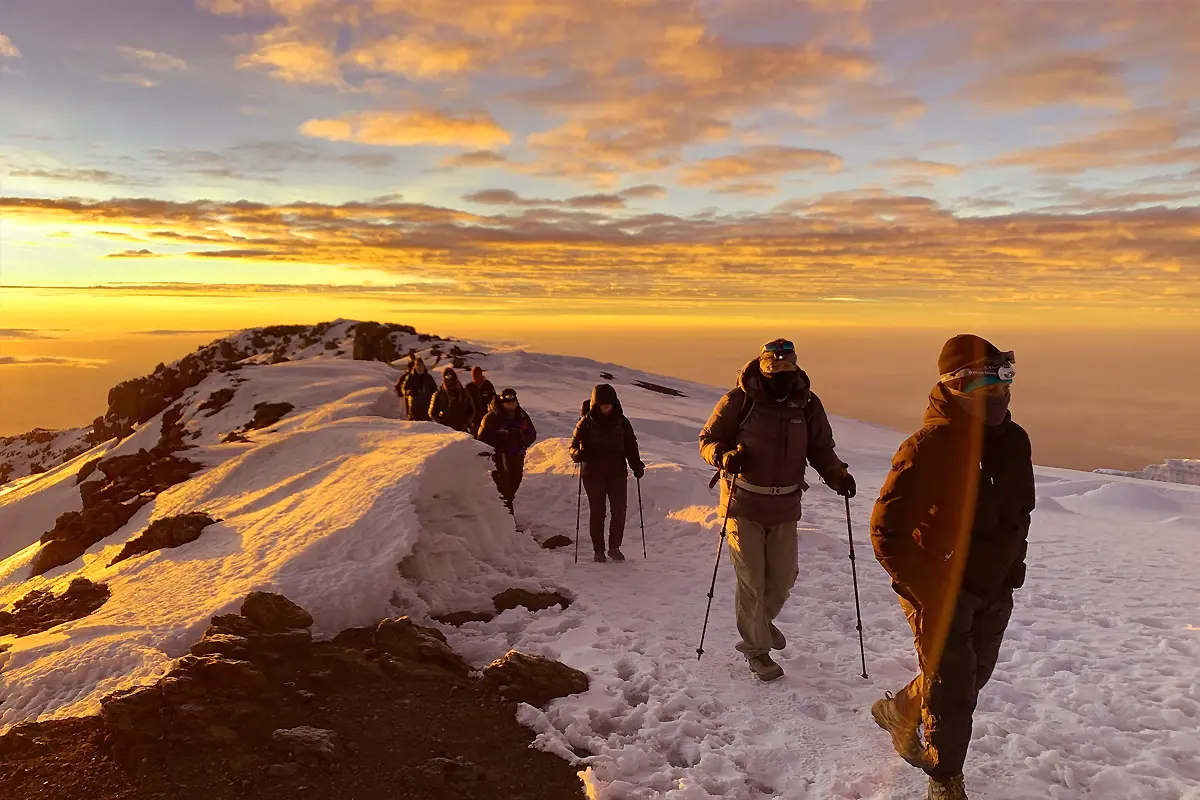
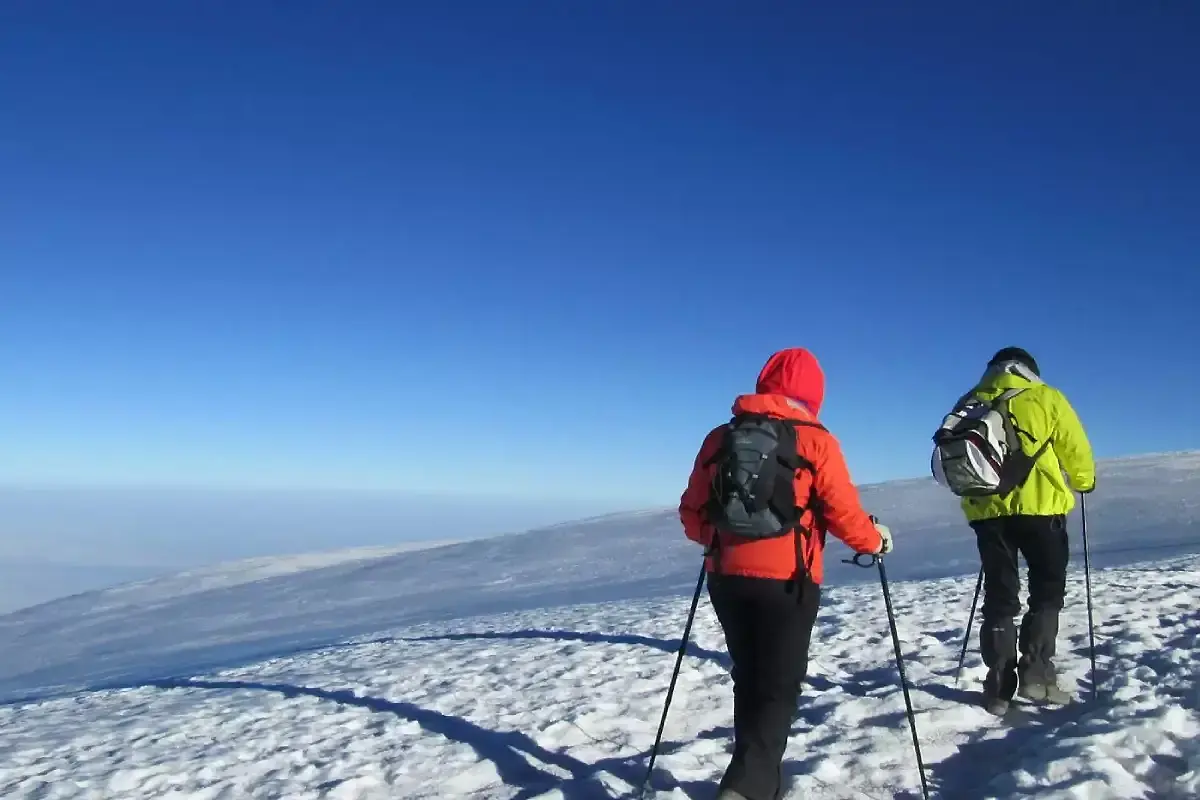
The summit area around Uhuru Peak lies in the mountain’s arctic zone.
Typical Summit Conditions
| Condition | Typical Value |
|---|---|
| Night temperature | -20°C to -10°C |
| Daytime temperature | -10°C to -5°C |
| Wind chill | Can feel below -30°C |
| Snowfall | Possible year-round |
Because summit attempts begin around midnight, climbers experience the coldest temperatures of the entire expedition.
This is why proper clothing layers and insulated gear are essential.
Climate and Weather in Moshi (Gateway to Kilimanjaro)
Most climbers begin their Kilimanjaro journey in Moshi, the main town located at the base of the mountain. The climate here is warm and relatively stable throughout the year.
Average Climate in Moshi
| Month | Avg Temp °C | Humidity | Rainfall |
|---|---|---|---|
| January | 26°C | Moderate | Low |
| February | 26°C | Moderate | Low |
| March | 25°C | Higher | Moderate |
| April | 24°C | High | Heavy |
| May | 22°C | High | Heavy |
| June | 21°C | Moderate | Low |
| July | 20°C | Moderate | Very Low |
| August | 21°C | Moderate | Very Low |
| September | 22°C | Moderate | Very Low |
| October | 24°C | Moderate | Low |
| November | 25°C | Higher | Moderate |
| December | 26°C | Moderate | Low |
April and May typically experience the heaviest rains, while July through September are the driest months.
Best Time to Climb Kilimanjaro Based on Weather
Although Kilimanjaro can be climbed throughout the year, certain months offer more stable weather and better trekking conditions.
Recommended Climbing Seasons
| Season | Months | Conditions |
|---|---|---|
| Main dry season | June – October | Clear skies and stable weather |
| Short dry season | January – March | Colder but quieter trails |
| Rainy seasons | April – May, November | Wet conditions and slippery trails |
At Tanzania Kili Climb Experts, we recommend climbing during the dry seasons for the best balance of weather, visibility, and trail conditions.
Kilimanjaro’s Climate Zones
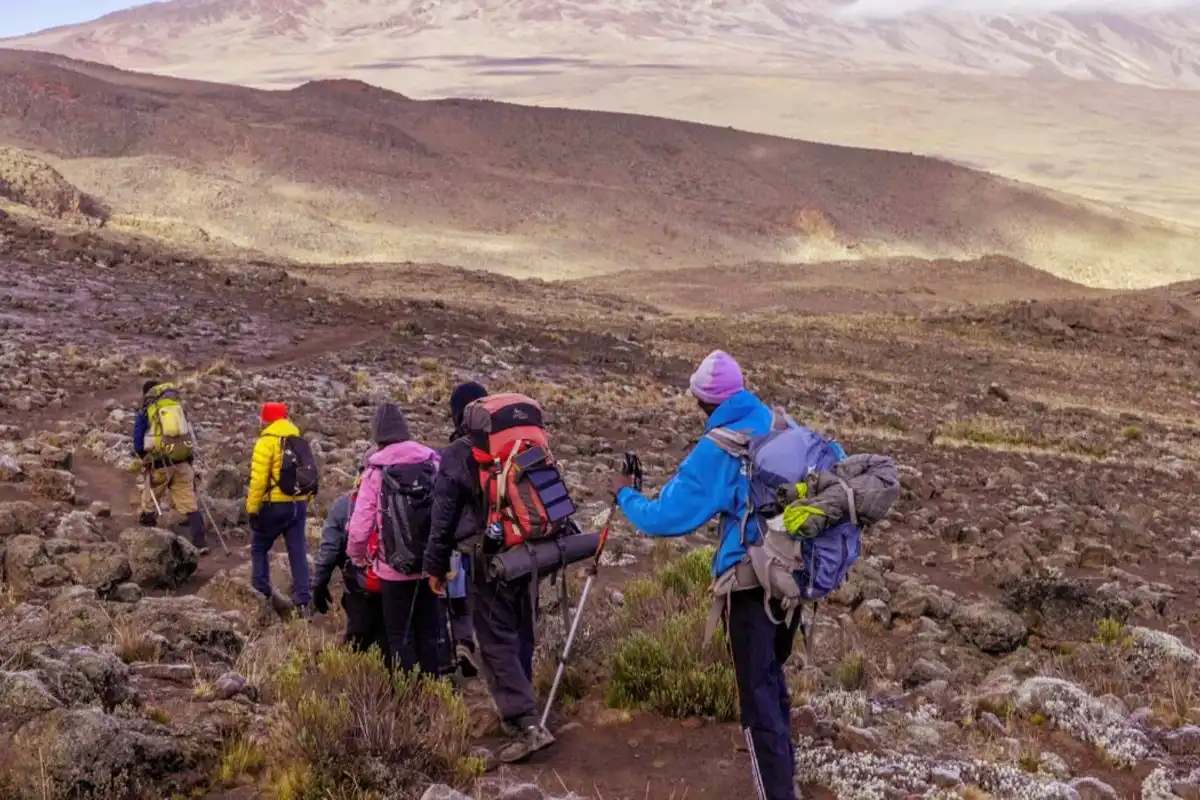
Mount Kilimanjaro passes through several distinct ecological zones as you climb toward the summit. Each zone has its own temperature range, vegetation, and weather patterns.
Kilimanjaro Climate Zones
| Zone | Altitude Range | Temperature Range | Characteristics |
|---|---|---|---|
| Rainforest Zone | 800 – 3,000 m | 12°C – 25°C | Dense forest, humid climate |
| Moorland Zone | 3,000 – 4,200 m | 5°C – 15°C | Open landscapes and giant plants |
| Alpine Desert | 4,200 – 5,000 m | -5°C – 10°C | Dry, rocky terrain |
| Arctic Summit Zone | 5,000 m + | -20°C – -6°C | Glaciers, ice, strong winds |
As climbers move through these zones, the landscape changes dramatically, creating one of the most diverse trekking experiences in the world.
How Humidity and Wind Affect Kilimanjaro Temperatures
Temperature alone does not determine how cold you feel on the mountain.
Weather Factors That Impact Comfort
| Factor | Effect |
|---|---|
| Wind chill | Makes temperatures feel much colder |
| Humidity | Higher humidity increases cold discomfort |
| Altitude | Lower oxygen affects body temperature regulation |
| Sun exposure | Strong equatorial sun can feel very warm during the day |
Because of these conditions, climbers often experience large temperature swings within a single day.
Is Climbing Kilimanjaro Safe in Cold Temperatures?
Climbing Kilimanjaro is safe when done with proper preparation and experienced guides.
At Tanzania Kili Climb Experts, safety is our top priority. Our teams monitor climbers closely and provide the equipment and support needed to manage cold weather and altitude conditions.
Safety Measures Used During Kilimanjaro Climbs
| Safety Practice | Purpose |
|---|---|
| Daily health checks | Monitor altitude adaptation |
| Professional guides | Manage pace and safety |
| Quality tents and gear | Protect against cold and wind |
| Emergency evacuation plans | Ensure quick response if needed |
The biggest challenge on Kilimanjaro is usually altitude sickness rather than cold temperatures, which is why acclimatization is carefully managed.
Kilimanjaro Temperature FAQs
What Is the Temperature at the Base of Kilimanjaro?
At the lower slopes of the mountain, temperatures usually range between 20°C and 30°C (68°F – 86°F).
How Cold Is the Summit of Kilimanjaro?
Temperatures near the summit can drop to -20°C (-4°F) or lower during the night.
Does Kilimanjaro Have Snow?
Yes. Snow and glaciers exist near the summit and snowfall can occur at any time of the year.
What Is the Average Temperature on Kilimanjaro?
Average temperatures vary widely depending on altitude, ranging from tropical warmth at the base to arctic conditions at the summit.
Prepare for Your Kilimanjaro Climb with Tanzania Kili Climb Experts
Understanding Kilimanjaro’s temperatures and weather conditions is essential for a safe and successful climb. With the right preparation, equipment, and guidance, climbers can comfortably handle the mountain’s changing climate.
Tanzania Kili Climb Experts provide experienced guides, high-quality equipment, and well-planned itineraries to help you safely experience every climate zone on your journey to the top of Africa.

Talk to Our
Climbing Expert
What To Plan A Kilimanjaro Adventure?
Contact Us. We are always here to help you
Climb Kilimanjaro on expertly guided routes. 97.6% summit success rate
- 5 Days
5 Days Marangu Route
From
$1,500
- 7 Days
7 Days Machame Route
From
$1,850
- 8 Days
8 Days Lemosho Route
From
$2,050
- 9 Days
9 Days Northern Circuit Route
From
$2,350
- 12 Days
8 Days Lemosho Route
From
$2,450