
Mount Kilimanjaro climbing
Kilimanjaro Summit
Kilimanjaro Summit – Your Final Push to Uhuru Peak
Reaching the summit of Mount Kilimanjaro is the defining moment of your climb with Tanzania Kili Climb Experts. Standing at Uhuru Peak (5,895m), the highest point in Africa, is more than an achievement—it’s a life-changing experience earned through determination, preparation, and expert guidance.
What is the Kilimanjaro Summit?
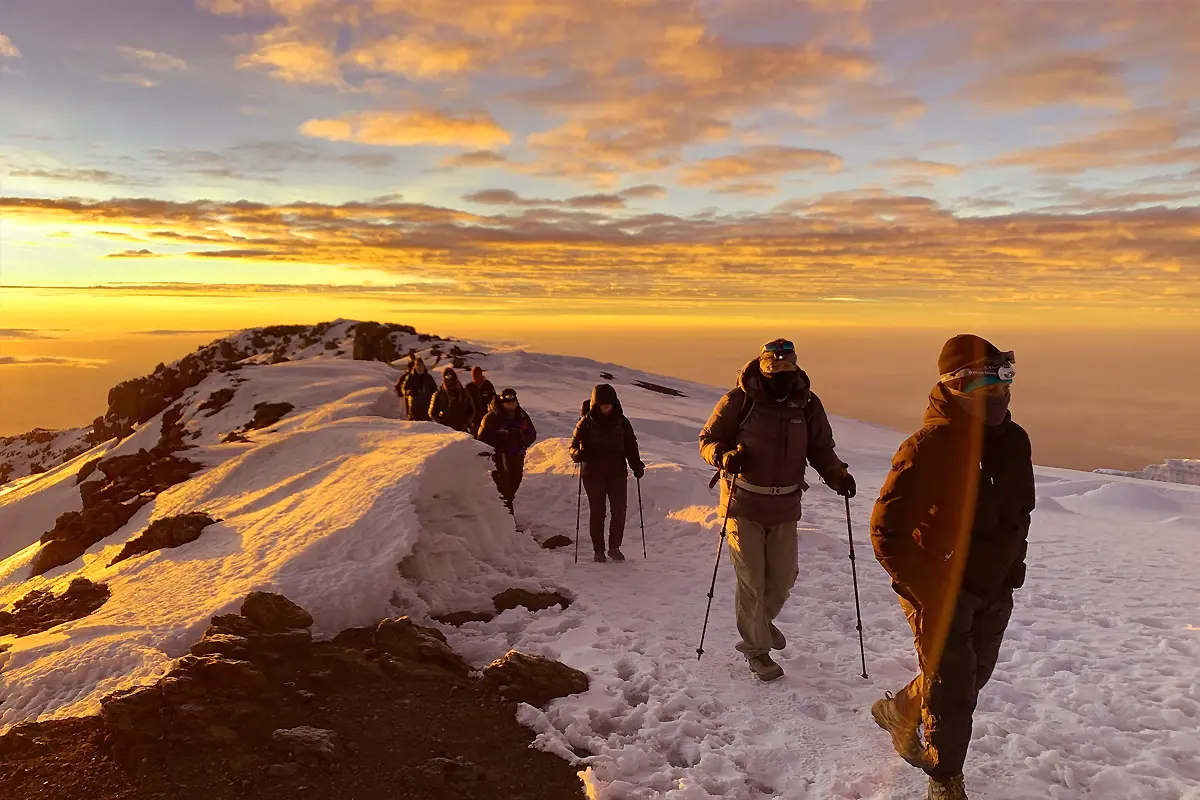
The summit climb is the final stage of your Kilimanjaro expedition. It is often referred to as summit night, as the ascent begins in darkness and ends with sunrise.
Summit Overview
| Aspect | Details |
|---|---|
| Starting Point | Barafu Camp or Kibo Hut |
| Start Time | Around midnight |
| Destination | Uhuru Peak (5,895m) |
| Total Duration | 12–16 hours |
| Terrain | Steep, rocky, scree slopes |
| Conditions | Cold, windy, low oxygen |
This stage involves ascending to the summit and descending back to a lower camp in the same day.
Highlights of the Kilimanjaro Summit
Climbing with Tanzania Kili Climb Experts ensures you experience the very best moments of the summit journey.
Key Experiences
-
Reaching the Roof of Africa
-
Witnessing a breathtaking sunrise above the clouds
-
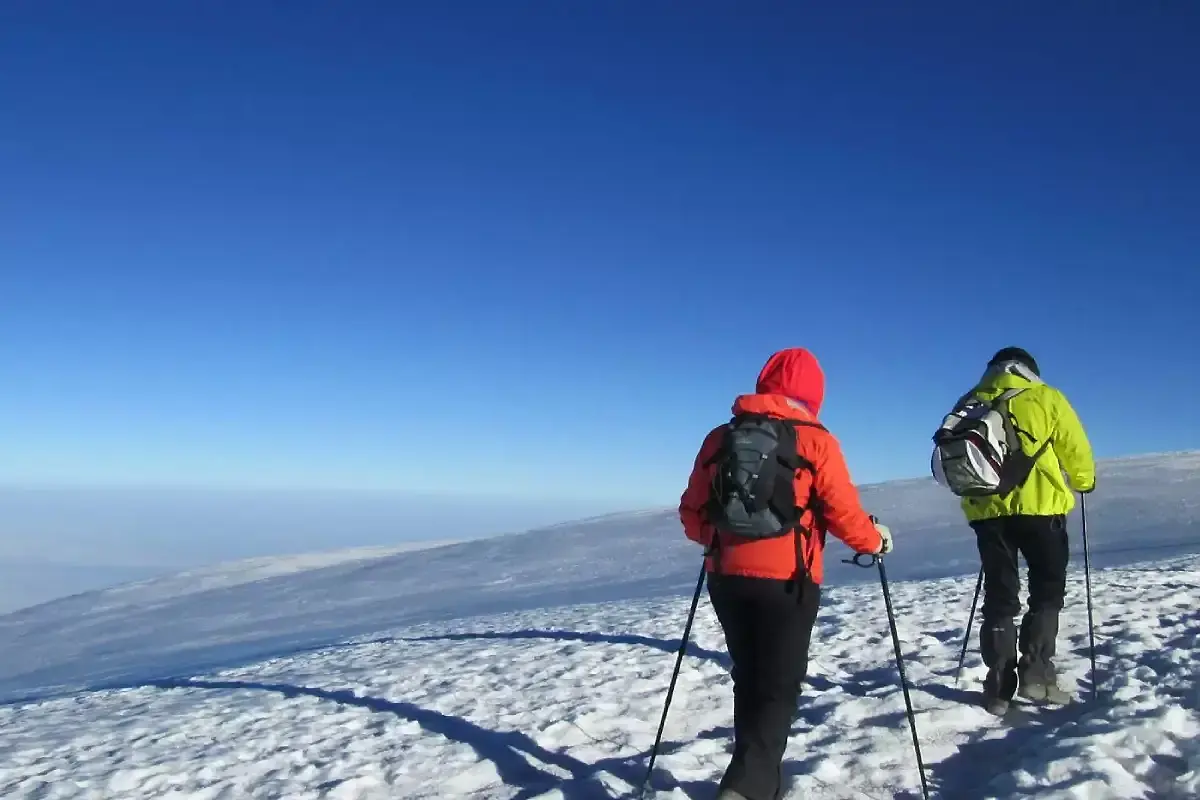
Trekking across glaciers and volcanic landscapes
-
Experiencing five unique ecological zones
-
Achieving a personal milestone few people accomplish
Why the Summit is Challenging
Kilimanjaro is a non-technical climb, but the summit push is demanding due to several factors.
Key Challenges
| Challenge | Description |
|---|---|
| Altitude | Oxygen levels drop by nearly 50% |
| Duration | Long hiking hours (12–16 hours) |
| Temperature | Extreme cold, often below freezing |
| Terrain | Loose scree and steep inclines |
| Fatigue | Limited sleep before summit push |
Success depends more on acclimatization and mental strength than technical skill.
The Hardest Part of the Climb
Summit night is widely considered the toughest phase of the entire trek.
What Makes It Difficult
-
Steep ascent to Stella Point
-
Walking on loose volcanic scree
-
Cold winds and freezing temperatures
-
Hiking in darkness with headlamps
-
Physical and mental fatigue
How Tanzania Kili Climb Experts Help You Succeed
We maximize your summit success through:
-
Carefully designed itineraries (7–9 days recommended)
-
Professional, experienced mountain guides
-
Proper acclimatization schedules
-
Daily health monitoring
-
Motivational support (“Pole Pole” pacing strategy)
Summit Night vs Day Climb
Most climbers summit at night—and for good reason.
Comparison Table
| Factor | Night Summit | Day Summit |
|---|---|---|
| Start Time | Midnight | Early morning |
| Experience | Sunrise at summit | Daytime views |
| Temperature | Colder | Slightly warmer |
| Success Rate | Higher | Lower |
| Recommendation | ✔ Highly recommended | Less common |
Why Night Summits Are Better
-
Reach Uhuru Peak at sunrise 🌅
-
Slower pace reduces altitude risk
-
Easier time management
-
Avoid extreme daytime exposure
Kilimanjaro Summit Schedule
Here’s what a typical summit day looks like with Tanzania Kili Climb Experts.
Summit Day Timeline
| Time | Activity |
|---|---|
| 18:00 | Early dinner & briefing |
| 19:00 | Rest and sleep |
| 23:00 | Wake up & light snack |
| 00:00 | Begin ascent |
| 05:30–06:00 | Reach Stella Point |
| 07:00 | Arrive at Uhuru Peak |
| 07:30 | Begin descent |
| 10:00 | Return to base camp |
| Afternoon | Descend to lower camp |
How Long Do You Stay at the Summit?
Most climbers spend 10–20 minutes at Uhuru Peak.
Why So Short?
| Reason | Explanation |
|---|---|
| Low Oxygen | High altitude risk |
| Cold Weather | Freezing conditions |
| Fatigue | Body needs recovery |
| Safety | Descent is priority |
Even a short time is enough to celebrate, take photos, and absorb the moment.
How to Beat Altitude on Summit Day
Altitude sickness is the biggest challenge on Kilimanjaro.
Proven Tips
| Tip | Why It Matters |
|---|---|
| Climb Slowly (“Pole Pole”) | Conserves energy |
| Stay Hydrated | Helps acclimatization |
| Eat Regularly | Maintains strength |
| Sleep Well | Supports recovery |
| Choose Longer Routes | Better acclimatization |
Top Tips for Summit Success
Preparation Checklist
-
Choose a 7–9 day itinerary
-
Train your endurance before the climb
-
Pack proper layered clothing
-
Listen to your guides at all times
-
Stay mentally strong and positive
Best Time to Reach the Summit
The best months for climbing Kilimanjaro are during the dry seasons.
Ideal Months
| Season | Months |
|---|---|
| Short Dry Season | January – February |
| Long Dry Season | July – October |
These months offer clearer skies and better summit conditions.
Full Moon Summit Experience
For a truly unforgettable adventure, Tanzania Kili Climb Experts offers full moon climbs.
Why Choose Full Moon?
-
Natural light illuminates your path
-
Reduced need for headlamps
-
Magical atmosphere on summit night
-
Stunning night-time views of glaciers
Kilimanjaro Summit FAQs
Why do climbers start at night?
To reach the summit at sunrise and improve success rates.
How cold is the summit?
Temperatures can drop to -10°C to -20°C.
What should I wear?
Layered clothing including thermal base layers, insulated jacket, gloves, and hat.
Is there snow at the summit?
Yes, glaciers and snow are present year-round (though reducing over time).
How hard is it to summit Kilimanjaro?
It’s challenging but achievable with proper preparation and expert guidance.
Your Journey to the Roof of Africa Starts Here
Summiting Kilimanjaro is not just about reaching the top—it’s about the journey, resilience, and unforgettable moments along the way.
With Tanzania Kili Climb Experts, you’re guided every step of the way to maximize your chances of standing proudly on Uhuru Peak.
Talk to Our
Climbing Expert
What To Plan A Kilimanjaro Adventure?
Contact Us. We are always here to help you
Climb Kilimanjaro on expertly guided routes. 97.6% summit success rate
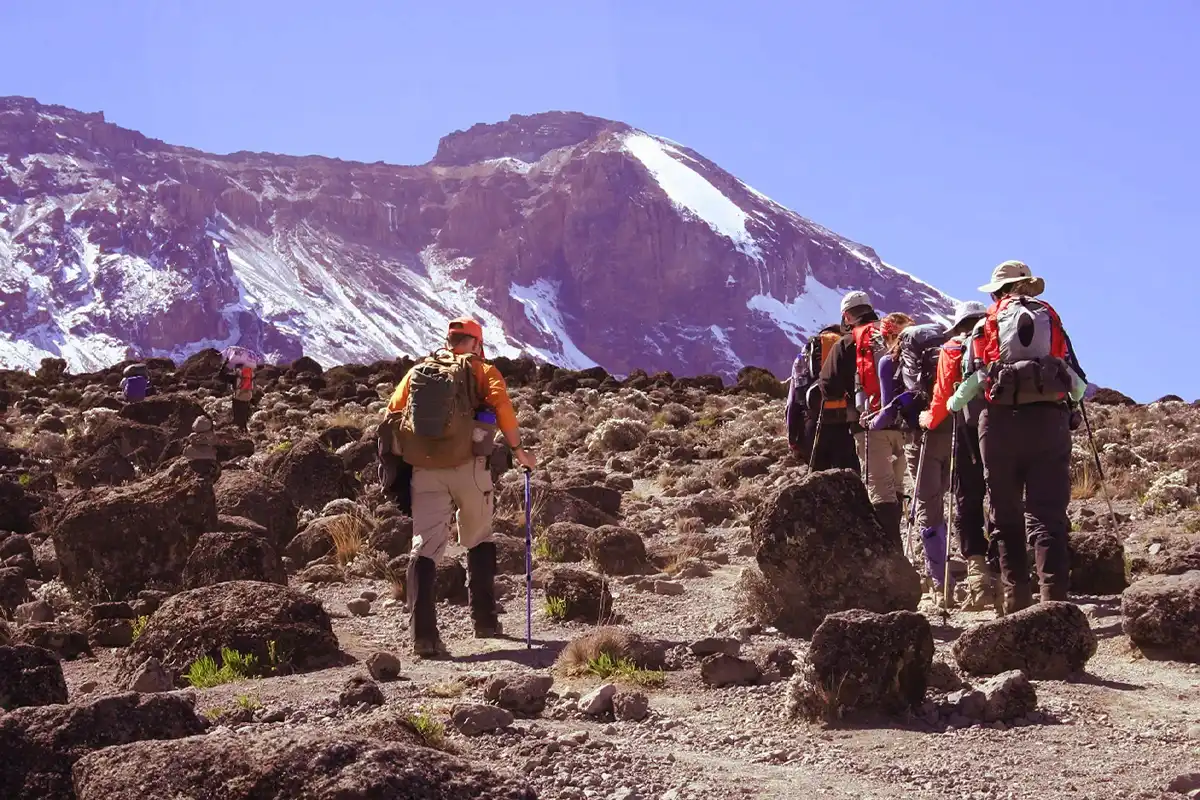
- 5 Days
5 Days Marangu Route
From
$1,500
- 7 Days
7 Days Machame Route
From
$1,850
- 8 Days
8 Days Lemosho Route
From
$2,050
- 9 Days
9 Days Northern Circuit Route
From
$2,350
- 12 Days
8 Days Lemosho Route
From
$2,450