
Mount Kilimanjaro climbing
Mount Kilimanjaro Location
Kilimanjaro Location Guide
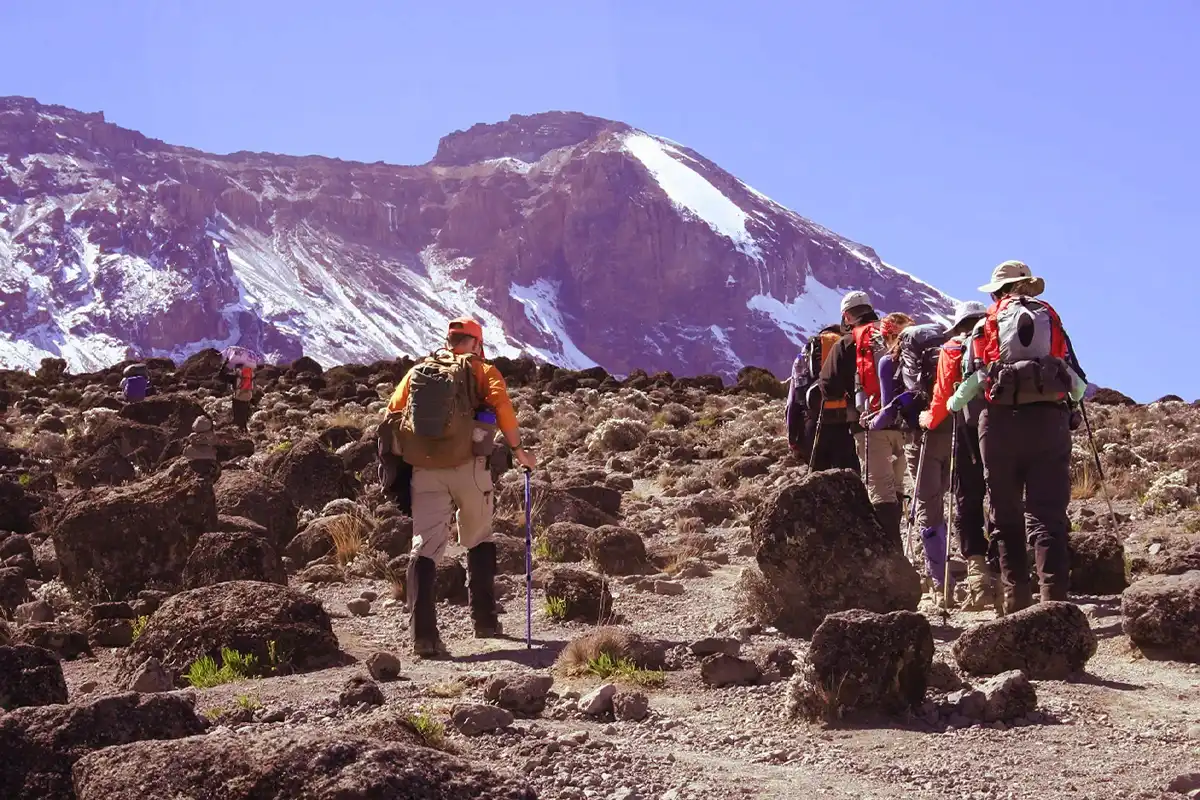
Mount Kilimanjaro is one of the most iconic natural landmarks in Africa. Rising dramatically above the surrounding plains of northern Tanzania, it attracts thousands of climbers every year who dream of reaching the famous Uhuru Peak, the highest point on the continent.
At Tanzania Kili Climb Experts, we help climbers understand the geography and environment of the mountain so they can prepare properly for a safe and successful climb.
Standing at 5,895 meters (19,341 feet) above sea level, Kilimanjaro is not only Africa’s highest mountain but also the tallest free-standing mountain in the world.
Where Is Mount Kilimanjaro Located?
Mount Kilimanjaro is located in northern Tanzania, close to the border with Kenya and just south of the equator.
Key Location Details
| Feature | Information |
|---|---|
| Country | Tanzania |
| Region | Kilimanjaro Region |
| Latitude | 3° South |
| Longitude | 37° East |
| Distance from Equator | About 300 km south |
| Nearest Town | Moshi |
| Nearby City | Arusha |
Because of its proximity to the equator, Kilimanjaro sits in a tropical climate zone. However, due to its massive height, the mountain includes environments ranging from rainforest to arctic summit conditions.
Kilimanjaro National Park Location
Mount Kilimanjaro lies inside Kilimanjaro National Park, a protected UNESCO World Heritage Site.
The park protects the entire mountain above the surrounding forest belt and is managed by the Tanzania National Parks Authority (TANAPA).
Kilimanjaro National Park Facts
| Feature | Details |
|---|---|
| Total area | 1,688 km² |
| Established | 1973 |
| UNESCO World Heritage Site | 1987 |
| Protected ecosystem | Montane forest to summit glaciers |
| Park management | TANAPA |
The park includes all trekking routes, campsites, and ecological zones climbers experience during the ascent.
How Tall Is Mount Kilimanjaro?
Mount Kilimanjaro stands at 5,895 meters (19,341 feet) above sea level.
This makes it:
-
The highest mountain in Africa
-
The highest free-standing mountain in the world
-
One of the famous Seven Summits
Kilimanjaro Height Facts
| Measurement | Value |
|---|---|
| Elevation above sea level | 5,895 m |
| Height from surrounding plains | ~4,900 m |
| Highest point | Uhuru Peak |
| Mountain type | Stratovolcano |
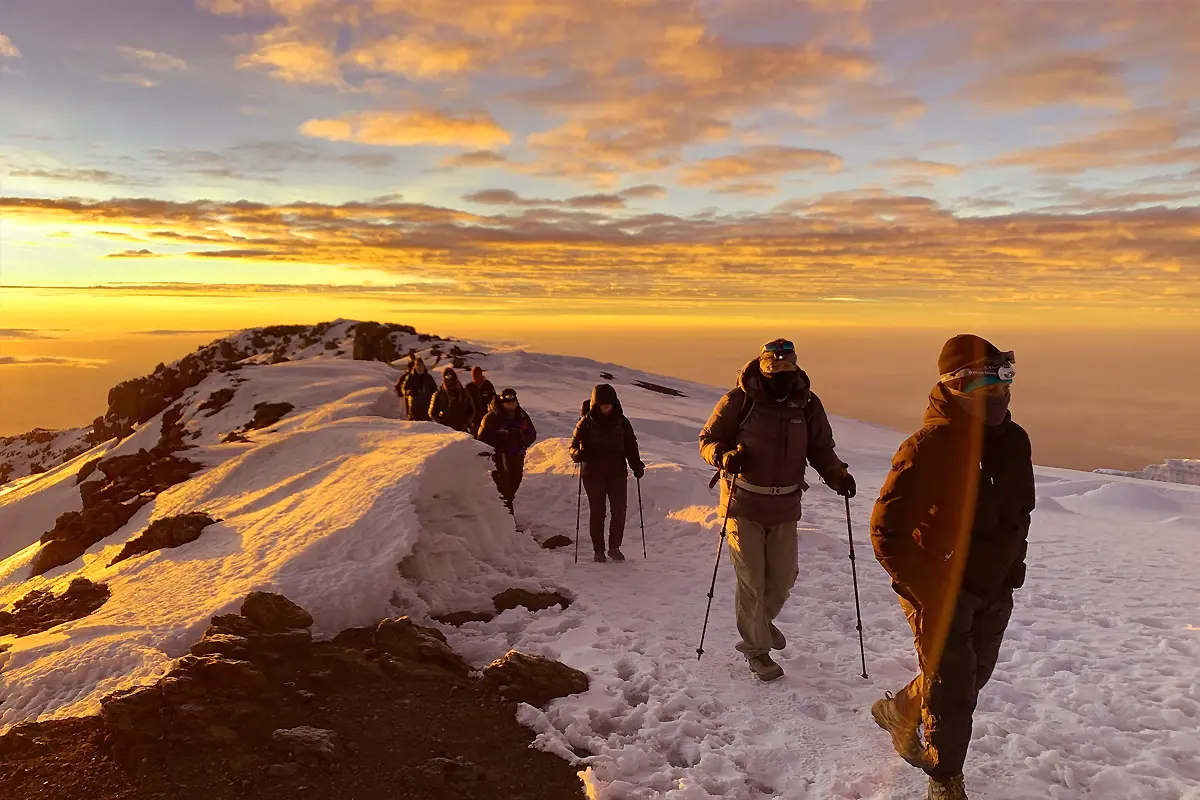
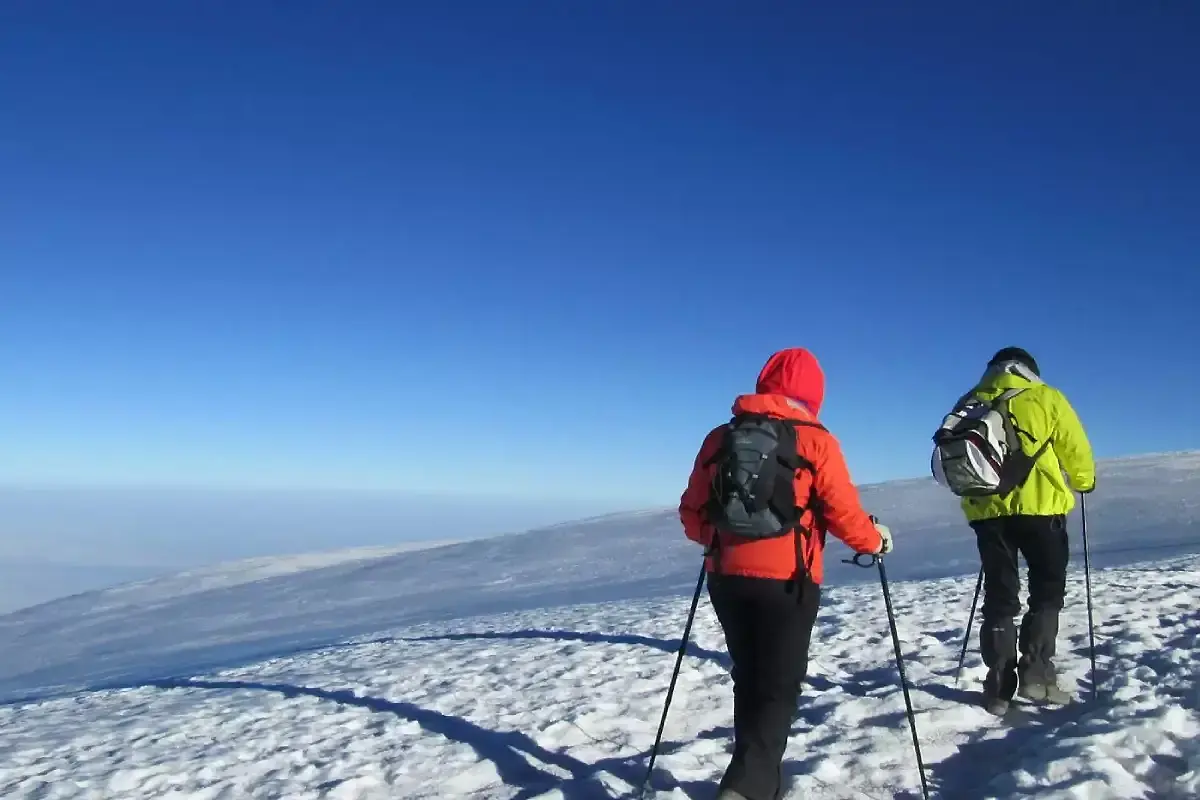
Climbers who reach Uhuru Peak stand on the Roof of Africa, enjoying incredible views across Tanzania and Kenya.
Geology of Mount Kilimanjaro
Mount Kilimanjaro is not a traditional mountain range peak. Instead, it is a massive volcanic formation created over hundreds of thousands of years.
The mountain consists of three volcanic cones.
Kilimanjaro Volcanic Cones
| Volcano | Height | Status |
|---|---|---|
| Kibo | 5,895 m | Dormant |
| Mawenzi | 5,149 m | Extinct |
| Shira | 3,962 m | Extinct |
Uhuru Peak, the summit that climbers aim for, sits on the Kibo cone.
The last major volcanic activity on the mountain occurred roughly 150,000 years ago, and today only small gas vents remain near the crater.
Why Is Kilimanjaro Famous?
Mount Kilimanjaro is famous for many reasons beyond its height.
Reasons Kilimanjaro Is World-Renowned
| Reason | Explanation |
|---|---|
| Highest mountain in Africa | One of the Seven Summits |
| Free-standing mountain | Not part of any mountain range |
| Snow near the equator | Unique glaciers at the summit |
| Diverse ecosystems | Five ecological zones |
| Cultural significance | Symbol of African freedom |
The mountain also gained global recognition through literature, including Ernest Hemingway’s famous story “The Snows of Kilimanjaro.”
How Kilimanjaro Is Different From Other Mountains
Mount Kilimanjaro is unique compared to many other major peaks around the world.
What Makes Kilimanjaro Unique
| Feature | Description |
|---|---|
| Free-standing mountain | Rises alone from flat plains |
| Non-technical climb | No technical mountaineering required |
| Climate diversity | Tropical base to arctic summit |
| Multiple ecosystems | Five ecological zones |
| Accessible summit | Achievable with proper acclimatization |
Because of these characteristics, Kilimanjaro is considered one of the most achievable high-altitude climbs in the world.
How to Get to Mount Kilimanjaro
Traveling to Kilimanjaro is straightforward thanks to several nearby airports.
Main Access Points
| Airport | Distance to Kilimanjaro | Travel Time |
|---|---|---|
| Kilimanjaro International Airport (JRO) | ~50 km | 1 hour |
| Arusha Airport | ~85 km | 2 hours |
| Julius Nyerere International Airport (Dar es Salaam) | ~500 km | 8–9 hours by road |
| Jomo Kenyatta International Airport (Nairobi) | ~200 km | 5–6 hours by road |
Most climbers fly directly to Kilimanjaro International Airport, which is the closest gateway to the mountain.
At Tanzania Kili Climb Experts, we arrange airport transfers and transport to your hotel and trailhead.
Accommodation Near Kilimanjaro
Before and after the climb, most travelers stay in Moshi or Arusha, the two main towns near the mountain.
Accommodation Options
| Location | Benefits |
|---|---|
| Moshi | Closest town to Kilimanjaro |
| Arusha | Ideal if combining safari and climbing |
| Lodge hotels | Comfortable and relaxing |
| Boutique hotels | Personalized services |
Our team helps arrange comfortable accommodation so climbers can rest properly before the expedition begins.
Where Do Climbers Sleep on Kilimanjaro?
Accommodation during the climb depends on the trekking route.
Sleeping Options on Kilimanjaro
| Route Type | Accommodation |
|---|---|
| Marangu Route | Mountain huts |
| All other routes | High-quality camping tents |
At Tanzania Kili Climb Experts, we provide:
-
Spacious mountain tents
-
Sleeping mattresses
-
Dining tents
-
Private toilet tents
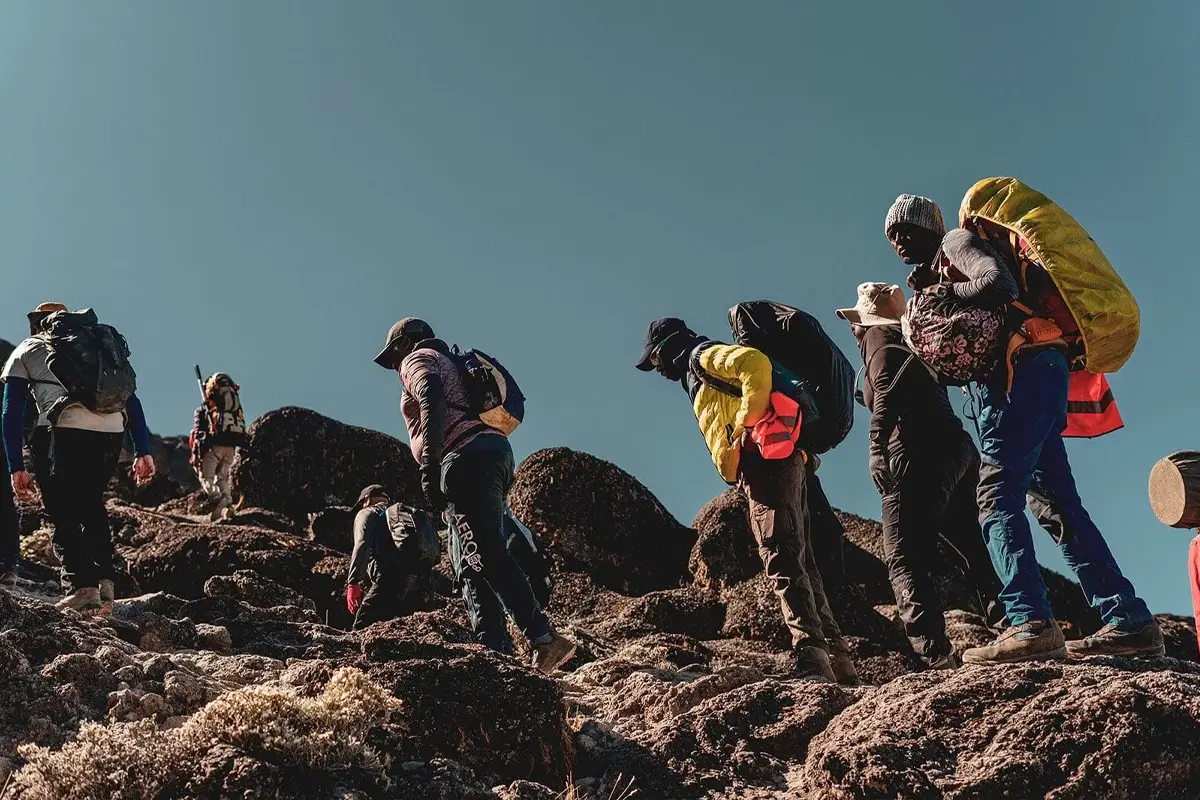
Our experienced porters handle all camp logistics so climbers can focus on resting, acclimatizing, and enjoying the journey.
Is Kilimanjaro Safe?
Kilimanjaro National Park is considered a safe destination for travelers and climbers.
However, the biggest challenge on the mountain is altitude sickness, which occurs when the body struggles to adjust to high elevations.
Safety Factors on Kilimanjaro
| Safety Factor | Importance |
|---|---|
| Proper acclimatization | Reduces altitude sickness risk |
| Experienced guides | Monitor climber health |
| Gradual itineraries | Improve summit success |
| Quality equipment | Protects against harsh weather |
At Tanzania Kili Climb Experts, safety is our highest priority. Our guides are trained in altitude awareness, first aid, and mountain rescue procedures.
With the right preparation and guidance, reaching the summit of Kilimanjaro is challenging but absolutely achievable.
Kilimanjaro Location FAQs
Where Is Mount Kilimanjaro Found?
Mount Kilimanjaro is located in northern Tanzania, near the border with Kenya.
Is Kilimanjaro in Kenya?
No. Although it can be seen clearly from Kenya, Kilimanjaro is entirely within Tanzania.
What Country Is Kilimanjaro In?
Kilimanjaro is located in the United Republic of Tanzania.
What Countries Border Mount Kilimanjaro?
Kenya lies directly to the north of the mountain, while Tanzania surrounds the rest of the region.
Explore Kilimanjaro with Tanzania Kili Climb Experts
Mount Kilimanjaro is more than just a mountain — it is a life-changing adventure. From lush rainforest trails to the icy summit of Uhuru Peak, every step reveals a new side of Africa’s highest mountain.
With Tanzania Kili Climb Experts, you will climb with experienced guides who know the mountain inside and out, ensuring a safe, well-organized, and unforgettable expedition.

Talk to Our
Climbing Expert
What To Plan A Kilimanjaro Adventure?
Contact Us. We are always here to help you
Climb Kilimanjaro on expertly guided routes. 97.6% summit success rate
- 5 Days
5 Days Marangu Route
From
$1,500
- 7 Days
7 Days Machame Route
From
$1,850
- 8 Days
8 Days Lemosho Route
From
$2,050
- 9 Days
9 Days Northern Circuit Route
From
$2,350
- 12 Days
8 Days Lemosho Route
From
$2,450