
Mount Kilimanjaro climbing
Mount Kilimanjaro Uhuru Peak
Uhuru Peak – The Summit of Mount Kilimanjaro
Uhuru Peak is the highest point on Mount Kilimanjaro and the tallest point in Africa. Standing at 5,895 meters (19,341 feet) above sea level, it marks the ultimate goal for climbers attempting to reach the “Roof of Africa.”
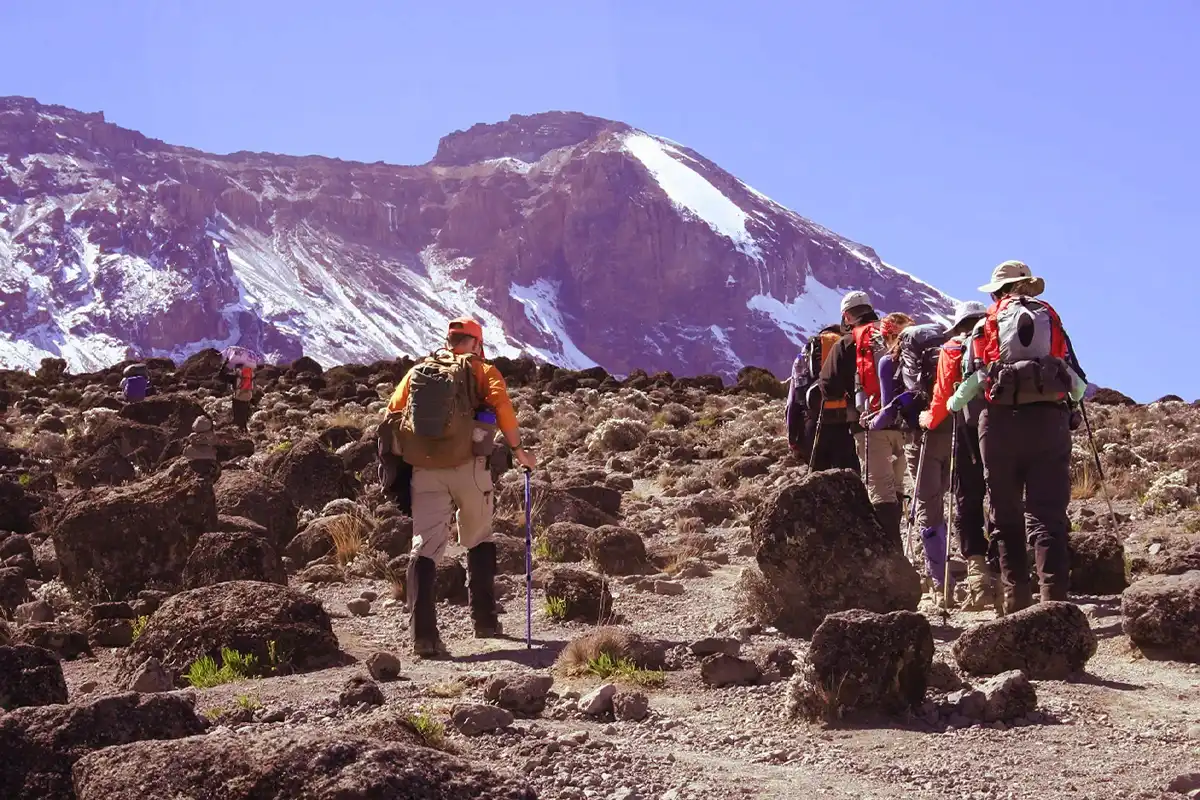
Mount Kilimanjaro is not a single mountain but a massive volcanic complex made up of three volcanic cones: Kibo, Mawenzi, and Shira. Uhuru Peak lies on the Kibo cone, which is the tallest and most prominent of the three.
For climbers guided by Tanzania Kili Climb Experts, reaching Uhuru Peak is more than a physical accomplishment—it is a life-changing experience filled with breathtaking landscapes, perseverance, and adventure.
Key Facts About Uhuru Peak
| Feature | Details |
|---|---|
| Mountain | Mount Kilimanjaro |
| Summit Name | Uhuru Peak |
| Elevation | 5,895 m (19,341 ft) |
| Location | Kibo Crater Rim |
| Country | Tanzania |
| Continent | Africa |
Origin of the Name Uhuru Peak
The word “Uhuru” means “freedom” in the Swahili language.
Originally, when German explorer Hans Meyer reached the summit area in 1889, the peak was named Kaiser-Wilhelm-Spitze during the colonial period.
After Tanzania gained independence, the summit was renamed Uhuru Peak in 1964 to symbolize freedom and national pride.
Historical Timeline of Uhuru Peak
| Year | Event |
|---|---|
| 1889 | Hans Meyer reaches the crater rim of Kibo |
| 1889 | Summit named Kaiser-Wilhelm-Spitze |
| 1961 | Tanganyika gains independence |
| 1964 | Summit renamed Uhuru Peak |
Today, the name reflects both African independence and the spirit of adventure.
Geology of Uhuru Peak
Mount Kilimanjaro formed through volcanic activity over approximately one million years. It is classified as a stratovolcano, built from layers of lava, ash, and volcanic rock.
Kilimanjaro Volcanic Structure
| Volcano Cone | Height | Status |
|---|---|---|
| Kibo | 5,895 m | Dormant |
| Mawenzi | 5,149 m | Extinct |
| Shira | 3,962 m | Extinct |
Uhuru Peak sits on the rim of the Kibo crater, which is the youngest and highest volcanic cone.
Although Kibo is dormant, scientists believe it could potentially erupt again in the distant future, though there are currently no signs of imminent activity.
Interesting Facts About Uhuru Peak
Uhuru Peak is one of the most fascinating mountain summits in the world.
Fun Facts
| Fact | Explanation |
|---|---|
| Closest high summit to the equator | Only about 330 km from the equator |
| Arctic summit climate | Despite its location, temperatures can drop below -20°C |
| Part of the Seven Summits | Highest mountain in Africa |
| Non-technical climb | No ropes or technical climbing required |
| Glacier views | Climbers see remnants of Kilimanjaro’s glaciers |
Another unique tradition is the summit sign at Uhuru Peak, where climbers take photos to celebrate their achievement.
Why Uhuru Peak Is So Popular
Uhuru Peak attracts climbers from all over the world because it offers a high-altitude adventure without requiring technical mountaineering skills.
Reasons Climbers Choose Uhuru Peak
| Reason | Description |
|---|---|
| Highest point in Africa | A major mountaineering milestone |
| Achievable for beginners | No technical climbing required |
| Incredible landscapes | Rainforest to glacier zones |
| Global bucket-list adventure | Part of the Seven Summits challenge |
Because of its accessibility, Kilimanjaro is often called “Everyman’s Everest.”
Preparing for the Uhuru Peak Climb
Reaching the summit requires preparation, physical endurance, and proper acclimatization.
At Tanzania Kili Climb Experts, we recommend preparing several months before your expedition.
Essential Preparation Tips
| Preparation Area | Recommendation |
|---|---|
| Fitness training | Hiking, cardio, endurance workouts |
| Equipment | Layered clothing for extreme temperatures |
| Health check | Consult a doctor before travel |
| Acclimatization | Choose longer climbing itineraries |
| Hydration | Drink plenty of fluids during the trek |
Longer climbs give the body more time to adjust to high altitude, improving success rates.
Best Routes to Reach Uhuru Peak
Several trekking routes lead to the summit of Mount Kilimanjaro. Each route offers different scenery, difficulty levels, and acclimatization profiles.
Popular Kilimanjaro Routes
| Route | Duration | Difficulty |
|---|---|---|
| Lemosho Route | 7–8 days | Moderate |
| Machame Route | 6–7 days | Moderate to challenging |
| Marangu Route | 5–6 days | Easier but shorter acclimatization |
| Rongai Route | 6–7 days | Gradual ascent |
| Northern Circuit | 8–9 days | Excellent acclimatization |
At Tanzania Kili Climb Experts, we often recommend Lemosho or the Northern Circuit for the best summit success rates.
Best Time to Climb Uhuru Peak
Weather conditions play a major role in the success of a Kilimanjaro climb.
Best Months for Climbing
| Season | Months | Conditions |
|---|---|---|
| Short dry season | January – March | Cooler and less crowded |
| Long dry season | June – October | Stable weather and clear skies |
Months with Heavy Rain
| Season | Months |
|---|---|
| Long rainy season | April – May |
| Short rains | November |
Dry seasons provide the most comfortable trekking conditions.
Managing Altitude Sickness on the Climb
Altitude sickness is the biggest challenge climbers face on Kilimanjaro.
As elevation increases, oxygen levels decrease significantly, making acclimatization essential.
Tips to Reduce Altitude Sickness
| Tip | Why It Helps |
|---|---|
| Climb slowly (“Pole Pole”) | Allows the body to adjust |
| Stay hydrated | Prevents dehydration at altitude |
| Eat regularly | Maintains energy levels |
| Get enough sleep | Helps recovery |
| Choose longer routes | Better acclimatization |
Our professional guides monitor climbers closely and conduct daily health checks during the expedition.
The Beauty of Uhuru Peak
Reaching Uhuru Peak is an unforgettable moment for climbers.
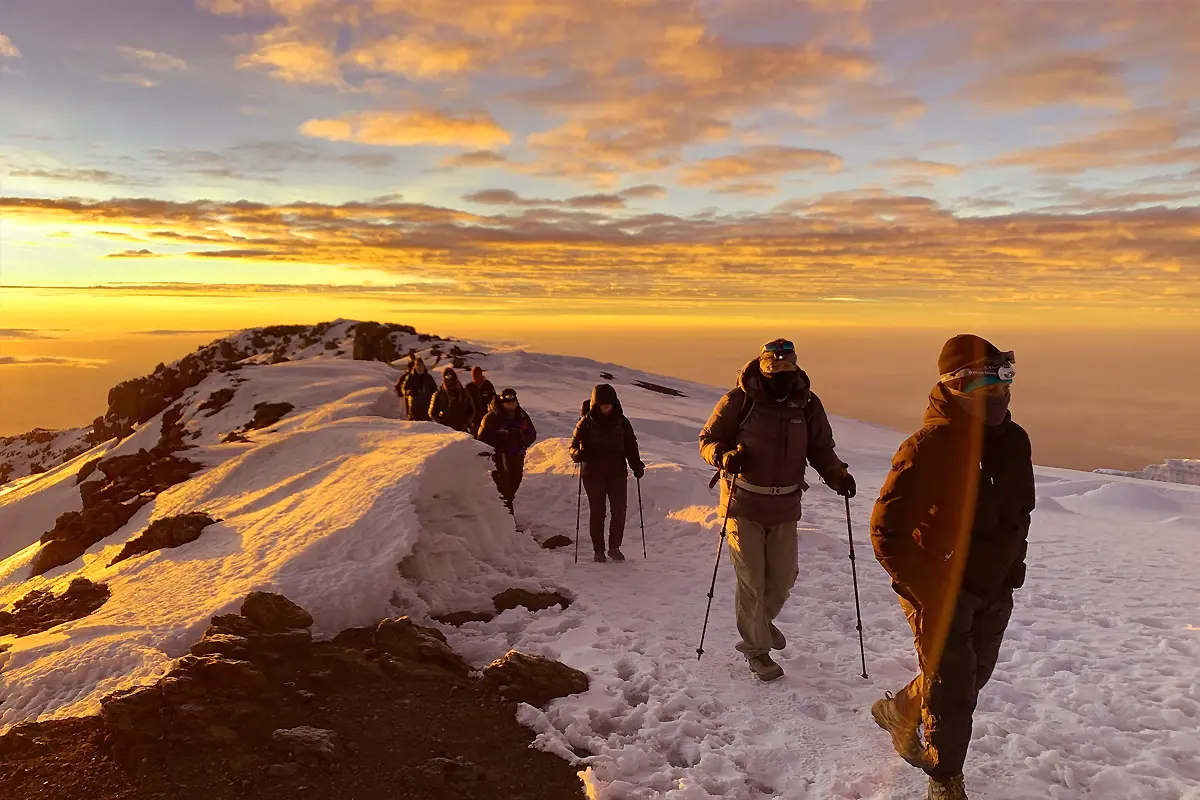
At sunrise, the summit reveals spectacular views across the glaciers, crater rim, and the vast African plains below.
What Climbers Experience at the Summit
| Experience | Description |
|---|---|
| Sunrise views | Golden light over the glaciers |
| Crater landscapes | Volcanic rock formations |
| Endless horizon | Views stretching across Tanzania |
| Personal achievement | Standing on Africa’s highest point |
For many climbers, standing at Uhuru Peak is both an emotional and spiritual experience.
Uhuru Peak FAQs
How High Is Uhuru Peak?
Uhuru Peak stands at 5,895 meters (19,341 feet) above sea level.
What Is at the Top of Kilimanjaro?
At the summit, climbers find the Uhuru Peak sign, glaciers, volcanic rock formations, and panoramic views across East Africa.
What Is the Temperature at Uhuru Peak?
Temperatures at the summit can range from -7°C to -29°C, especially during the nighttime summit attempt.
Climb to Uhuru Peak with Tanzania Kili Climb Experts
Reaching Uhuru Peak is one of the most rewarding adventures in the world. With the right preparation and expert guidance, the summit of Africa’s highest mountain is within reach.
Tanzania Kili Climb Experts provides experienced guides, safe itineraries, and professional support to help climbers achieve their dream of standing on the Roof of Africa.

Talk to Our
Climbing Expert
What To Plan A Kilimanjaro Adventure?
Contact Us. We are always here to help you
Climb Kilimanjaro on expertly guided routes. 97.6% summit success rate
- 5 Days
5 Days Marangu Route
From
$1,500
- 7 Days
7 Days Machame Route
From
$1,850
- 8 Days
8 Days Lemosho Route
From
$2,050
- 9 Days
9 Days Northern Circuit Route
From
$2,350
- 12 Days
8 Days Lemosho Route
From
$2,450